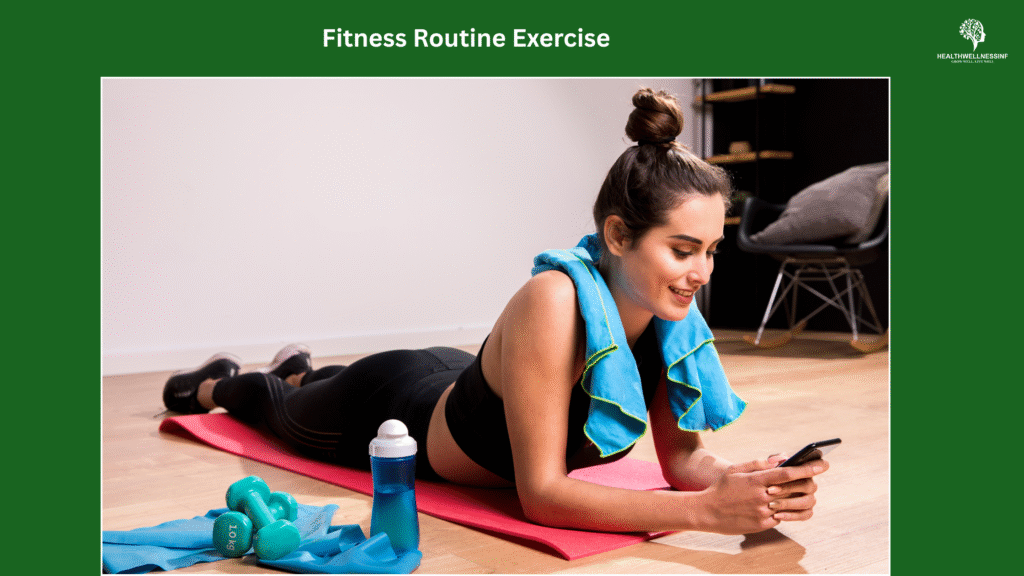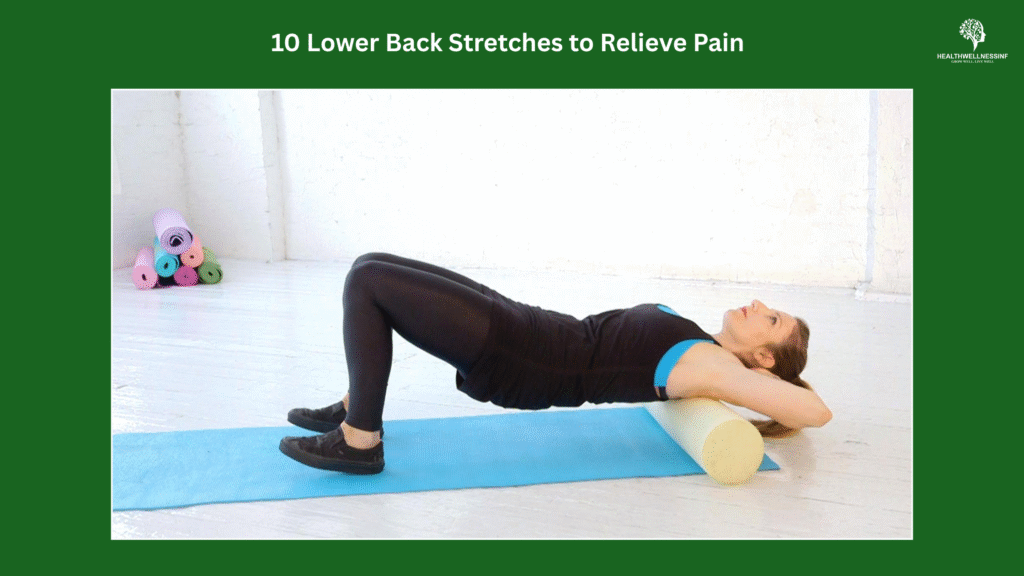
- How the Body Burns Calories During Exercise
- Why High-Intensity Training Is More Efficient
- Running at Moderate to High Intensity
- Jump Rope Training
- High-Intensity Interval Training and Calorie Burn
- Cycling With Increased Resistance
- Swimming Continuous Laps
- Rowing Machine Workouts
- Burpees and Full-Body Conditioning
- Strength Training With Compound Exercises
- Choosing the Right Workout for Your Lifestyle
- How to Increase Calorie Burn Safely
- Common Training Mistakes to Avoid
- Long-Term Benefits Beyond Weight Loss
- How Workout Duration Affects Calorie Burn
- The Role of Muscle Mass in Calorie Expenditure
- How Age and Fitness Level Influence Results
- Get Trusted Fitness Guidance From HealthWellnessInf
- Conclusion
- References
The right selection of exercises is the key to successful weight management and fitness. A lot of individuals do physical exercises and yet they cannot experience the effects since they concentrate on movements that are less intensive and need less energy. By focusing on the exercises that burn most calories you will train smarter, not longer to sustain fat loss.
Exercises that promote burning of calories are dependent on intensity, muscle involvement, and cardiovascular workload. When these factors happen simultaneously, the body will utilize more energy in the course of exercise and then will keep on burning calories even after the exercise. This guide describes the best exercises, their effectiveness and how they can be incorporated safely to form a balanced fitness routine.
How the Body Burns Calories During Exercise
To understand calorie burn, it is important to first of all understand the way the body generates energy. Whenever the muscles contract, there is an increase in heart rate and the level of oxygen requirement, it takes up calories.
Activities that engage the large muscles demand more oxygen. This makes the heart and lungs strain more to do much more work thus making overall expenditure of energy greater. Harvard Health Publishing states that more vigorous physical exercises always produce more calories as compared to the low-demand exercises. Calorie burn depends on body weight, efficiency of movement, and duration of the workouts, although the choice of exercises is the most adjustable.

Why High-Intensity Training Is More Efficient
Other exercises are more caloric burning since they require more effort in a short time. Strength, coordination and endurance are tested at the same time during high-intensity exercises. This effort elevates the rate of oxygen consumption after exercise, i.e. the body still consumes energy even after the exercise. According to the American Council on Exercise, this is a major metabolic reaction that explains why high impact training assists in fat burning. Efficiency is what contributes to the fact that these workouts are of particular use to individuals with little training time.
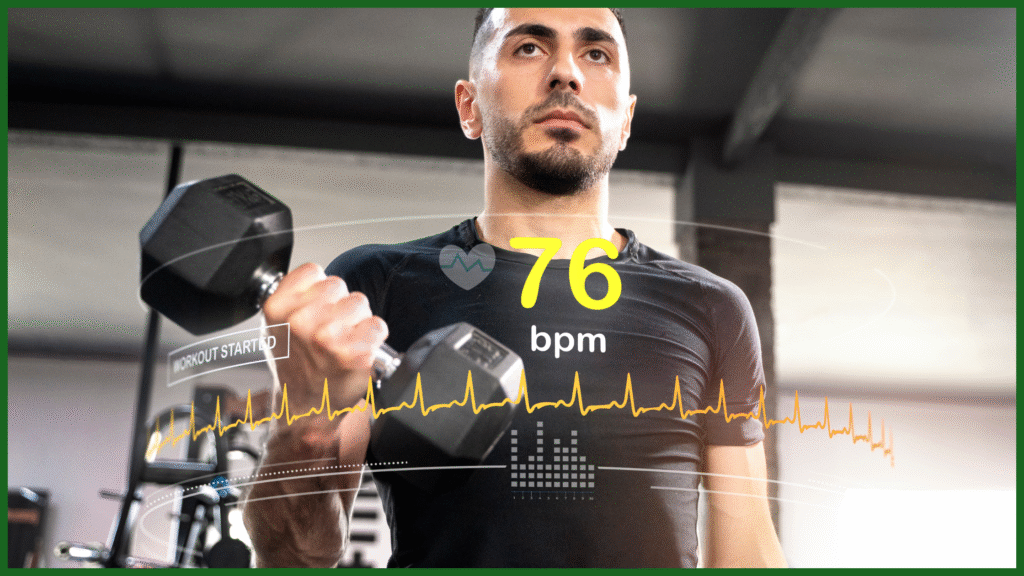
Running at Moderate to High Intensity
Running is among the most effective activities that burn calories. It uses the legs, core and cardiovascular system at all times. The running that is at a steady pace burns a good number of calories and higher speed or uphill running involves higher demand. Sprint sessions increase the heart rate in a short period and enhance cardiovascular capacity. Novices will be able to switch between jogging and walking to gain endurance without losing the opportunity to attain significant calorie burn.

Jump Rope Training
Jump rope exercises provide great quantities of calories within a brief period. This workout is a mix of speed, coordination, and endurance into a small workout. Every jump involves the involvement of calves, quadriceps, gluts, shoulders, and core. The monotonous movement maintains the high heart rate during the session. Jump rope exercises work best and are portable, hence they are employed in organized fat-loss programs.

High-Intensity Interval Training and Calorie Burn
High-intensity interval training is among the exercises that burn most calories because it alternates short bursts of intense effort with brief recovery periods. This training style pushes the body close to its limits repeatedly, increasing total energy use. According to the Centers for Disease Control and Prevention, combining vigorous activity with recovery improves cardiovascular health and weight management outcomes. HIIT workouts can include cycling, sprinting, rowing, or bodyweight exercises.

Cycling With Increased Resistance
Resistance adds a lot of difficulty to cycling. Increased resistance also causes the leg muscles to work more, and increases oxygen and energy needs. With outdoor biking, the terrain varies, whereas the intensity can be controlled with the stationary bikes. The two are effective in burning calories. Cycling is also less impactful thus it is appropriate when one wants to have a high output with less joint stress.

Swimming Continuous Laps
Swimming is a whole body exercise that helps to lose weight and at the same time lowers the amount of pressure on the joints. Being water resistant involves sustained muscle activity. This is done in constant lap swimming which ensures that heart rate is kept high and the legs, arms, and core are strengthened. The selection of stroke affects the intensity, and rapid strokes have greater energy consumption. Swimming is also helpful in breathing efficiency and muscle endurance.

Rowing Machine Workouts
The use of rowing machines offers balanced calorie-burning exercises using the upper and lower body muscles. The individual strokes engage the legs, core, back, shoulders, and arms. This pattern of movement enhances the total workload. Rowing intensity can be adjusted, which is why it can be applied to both the novice and even the advanced exercise trainee.

Burpees and Full-Body Conditioning
Burpees are challenging since they are a combination of squats, planks, push-up, and jumps in a single movement. They need strength, co-ordination and cardiovascular work with each repetition. When done at set intervals, burning of calories increases at a high rate. Burpees may be altered and transformed into less impactful yet effective.
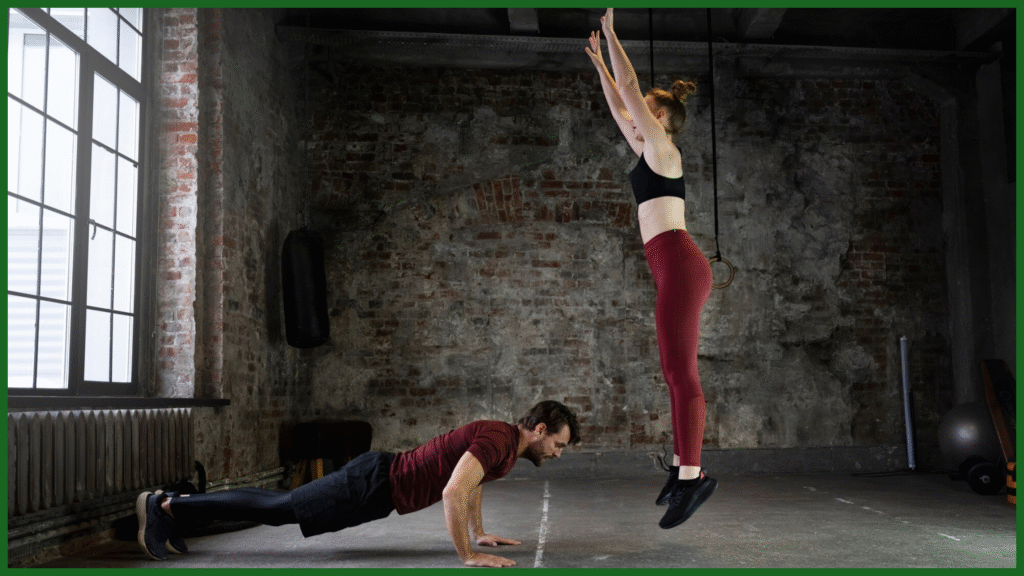
Strength Training With Compound Exercises
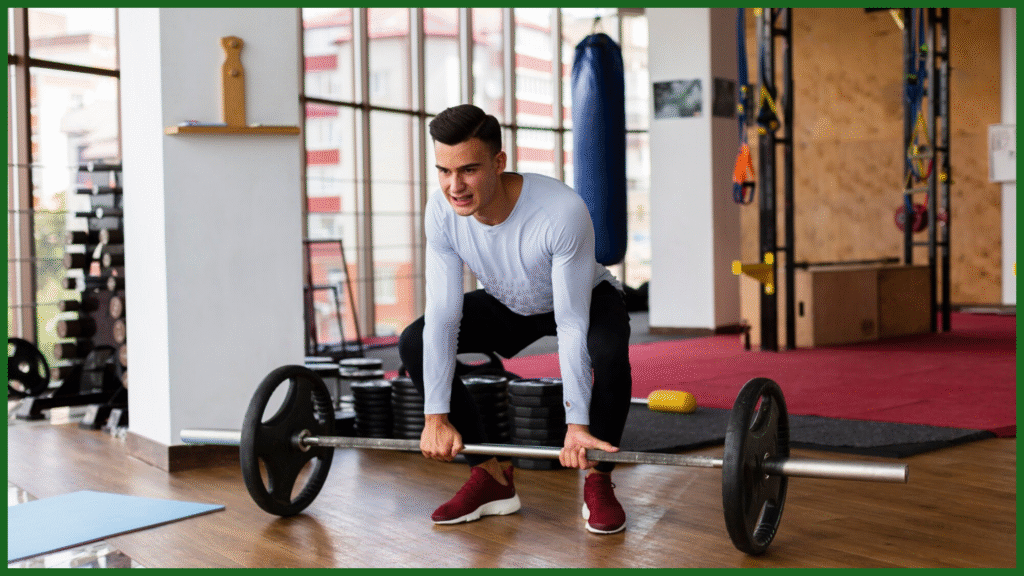
Weight lifting is significant in burning calories in the long run. The compound exercises like squats, deadlifts and presses involve more than just one group of muscles. The heavy load lifts more muscular workload and increases the energy expenditure after the workout. It is observed that greater body weight as muscles increases the resting metabolic rate (National Institutes of Health). Strength training aids in burning the fat and maintaining lean tissue.
Choosing the Right Workout for Your Lifestyle
The best exercise is one that one can do regularly. The issue of personal preference, the level of fitness as well as physical constraints all affect long term success when choosing the exercises that burn most calories.
There are those who like high-impact exercises, whereas others like low-impact exercises like cycling or swimming. The two methods can aid in burning calories provided that both the intensity is controlled properly.
To make workouts sustainable and effective, consider the following factors:
- Consistency: Choose activities you can maintain weekly without burnout or loss of motivation.
- Impact tolerance: Select movements that match your joint health and injury history.
- Time availability: Pick workouts that fit realistically into your daily schedule.
- Enjoyment factor: Activities you enjoy are more likely to become long-term habits.
How to Increase Calorie Burn Safely
To increase calorie burning, one does not have to train hard on a daily basis. Workout intensity should be gradually increased which helps in getting used to it and minimises the chances of a body being injured. Adequate recovery is also critical since the rest days will contribute to muscle recovery and assist in maintaining the same level of performance with time.
Nutrition and technique also have an impact on the effectiveness of the workouts. Getting enough fuel and proper patterns of movement enhance efficiency and safety respectively. When these factors are combined, sustainability in consistency becomes more achievable and the outcomes are more sustainable.
Common Training Mistakes to Avoid
Most individuals are only concerned with calories lost during exercises without paying much attention to the balance of training. Such limited thinking is a common cause of stagnation, decrease in motivation and the inability to maintain exercises that burn most calories in the long run. Another error that is frequently committed is foregoing strength training. Unless exercises are based on resistance, the metabolism can not improve completely and the muscle mass may decrease over time, lessening the efficiency of using energy.
Working out the same daily will also lower performance. The body responds fast to the movements that the body is used to thus reduces the amount of calories burned and the body turns more fatigued with no significant gain. These problems are further complicated by a deficit of recovery. The muscles cannot be repaired properly without proper rest and the quality of workouts decreases between the sessions.
Regular workouts consisting of cardiovascular activity, strength, and rest days enable the body to adjust in a positive way. Gradually changing training programs facilitate sustainable developments, greater performance, and healthy living in the long term.

Long-Term Benefits Beyond Weight Loss
High-calorie-burning exercises provide several lasting benefits that support overall health and well-being:
- Improved cardiovascular health: Strengthens the heart and lungs, supporting better endurance and circulation.
- Enhanced muscular strength: Improves daily movement efficiency and reduces the risk of physical strain.
- Better metabolic function: Supports long-term energy use and healthier body composition.
- Mental well-being support: Regular physical activity helps manage stress and promotes emotional balance.
- Sustainable health outcomes: Focusing on overall fitness encourages lasting results rather than short-term changes.
How Workout Duration Affects Calorie Burn
Exercise intensity is a critical factor but the duration of the workouts also affects the total calorie burn. The longer sessions will enable the body to continue using energy over time particularly when the movements are still difficult and persistent.
Short, high-intensity training sessions usually target the exercises that burn most calories that give maximum results with minimal time. Conversely, the longer periods of steady-state work raise the amount of energy expenditure in case intensity is controlled. The key is balance. Very long workouts with very-low-intensity workouts can seem to be fruitful but usually lead to a reduced total energy expenditure as compared to shorter, planned routines.
The Role of Muscle Mass in Calorie Expenditure
Muscle tissue needs more energy to sustain itself than fat tissue which directly influences the daily caloric expenditure. The person with high muscle mass has a propensity of burning more calories even when in the absence of exercise.
Weight lifting aids in building the muscles and enhances metabolic efficiency in the long run. This enables the body to utilise more energy efficiently during the day that supplements the advantages of the exercises that burn most calories during the active training sessions. Resistance training and cardiovascular exercises are a form of exercise that is sustainable and helps in achieving short-term and long-term outcomes.
How Age and Fitness Level Influence Results
The body is known to respond to physical activity based on age and the current fitness level. Novices experience more rapid results in energy expenditure since the body is becoming accustomed to new physical activity requirements.
Fitness exercises make the body become more efficient and this can slightly decrease the amount of calories used on the same exercise. This will be a good adaptation and evidence of better conditioning. Restrictions in workout intensity, resistance, or organization gradually allow the person to sustain the progress without exposing the body to more risks of injury.
Get Trusted Fitness Guidance From HealthWellnessInf
At HealthWellnessInf, we provide clear, reliable wellness information designed to support healthier lifestyle choices. Understanding how different workouts affect your body helps you make informed decisions that align with your fitness goals.
Our expert-backed fitness and wellness content focuses on practical, evidence-based guidance you can apply immediately. Whether you are beginning your journey or refining your routine, trusted information makes a meaningful difference. Explore more health and fitness resources on HealthWellnessInf to stay informed, motivated, and confident as you work toward long-term well-being.
Conclusion
Choosing the right approach to fitness is about more than short-term calorie counts. Understanding how different workouts challenge the body allows you to select routines that support consistency, performance, and long-term health.
By combining cardiovascular training, strength exercises, and adequate recovery, it becomes easier to maintain momentum and avoid common setbacks. Focusing on the exercises that burn most calories can help improve efficiency, but lasting results come from balanced habits and realistic progression.
When fitness choices align with your lifestyle and physical needs, progress feels sustainable rather than exhausting. Over time, this approach supports better energy levels, improved well-being, and healthier outcomes that extend beyond weight loss alone.
References
- American Council on Exercise. What is HIIT?. https://www.acefitness.org/education-and-resources/professional/expert-articles/6856/what-is-hiit/
- Harvard Health Publishing. Calories burned in 30 minutes of popular exercises.
https://www.health.harvard.edu/diet-and-weight-loss/calories-burned-in-30-minutes-of-leisure-and-routine-activities - Centers for Disease Control and Prevention. Physical activity guidelines for adults.
https://www.cdc.gov/ - National Institutes of Health. Physical activity and weight control.
https://www.niddk.nih.gov/health-information/weight-management/physical-activity-weight-control - Ainsworth, B.E., et al. Compendium of physical activities. Medicine and Science in Sports and Exercise. https://sites.google.com/site/compendiumofphysicalactivities/