Sleep has an impact on all your body systems. The position you assume during sleep affects your body in terms of spinal positioning, breathing rate, circulation, and recovery of muscle. Body position is not taken seriously by many people who concentrate on the mattresses and pillows. That little thing can alter your mood in the morning.
Locating the better position to sleep may allow minimizing the stiffness, back strain, and increase the quality of rest. Studies indicate that posture has a direct effect on points of pressure and nerve tension. As long as you frequently feel sore or tired after waking up, the position of your sleep can be the culprit. Today, you can make your recovery at night, and we will discuss what science says and how you can do it.
Why Sleep Position Matters
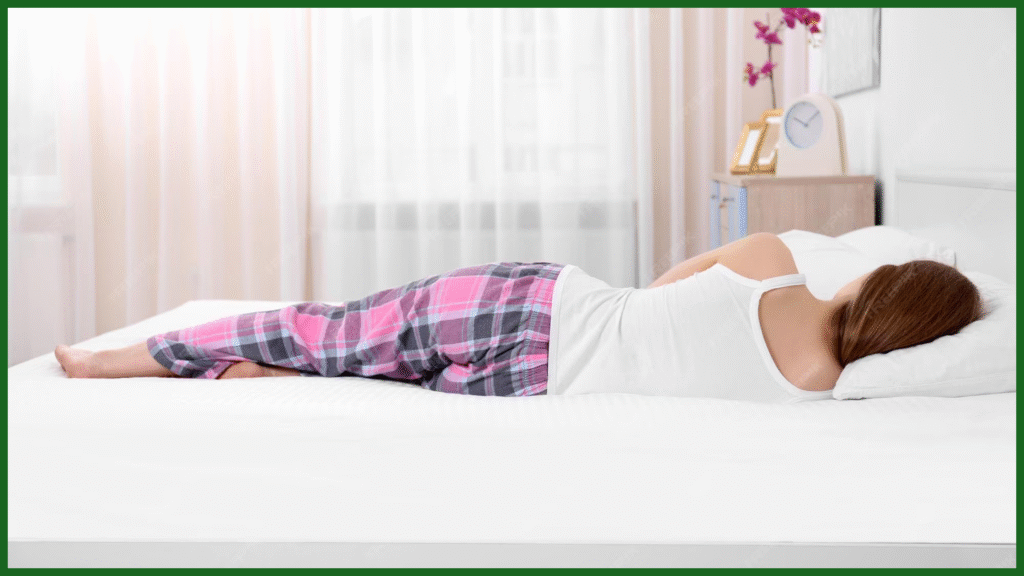
The spine has got natural curves that require support even in rest. When you are in a position that interferes with those curves, the muscles do not relax, but remain on the alert. Lack of good posture during the night is capable of compressing joints and straining the ligaments during hours. This causes chronic discomfort in the long-term.
Sleeping in the better position to sleep will keep your spine neutral and will minimize the pressure on hips, shoulders and neck that should be avoided. When your body lies even, the blood flow is also enhanced. Adequate positioning aids in enhanced sleep patterns and muscle recovery. You do not wake up and feel tight and uncomfortable as you would without the alarm mechanical system.
The quality of breathing is also affected by the sleep posture. Some of them widen the airways whereas others narrow it. This influences breathing and could lead to snoring. The circulatory system gets better when pressure is spread throughout the body. Your body can be attempting to avoid soreness, in the event that you move at night. Sleep posture does not involve any complexities, yet it is an aspect that one must be aware of and make minor changes. When you straighten up, your body will reward you even by allowing you to recover better and also to have less tension.
The Better Position to Sleep for Spinal Alignment
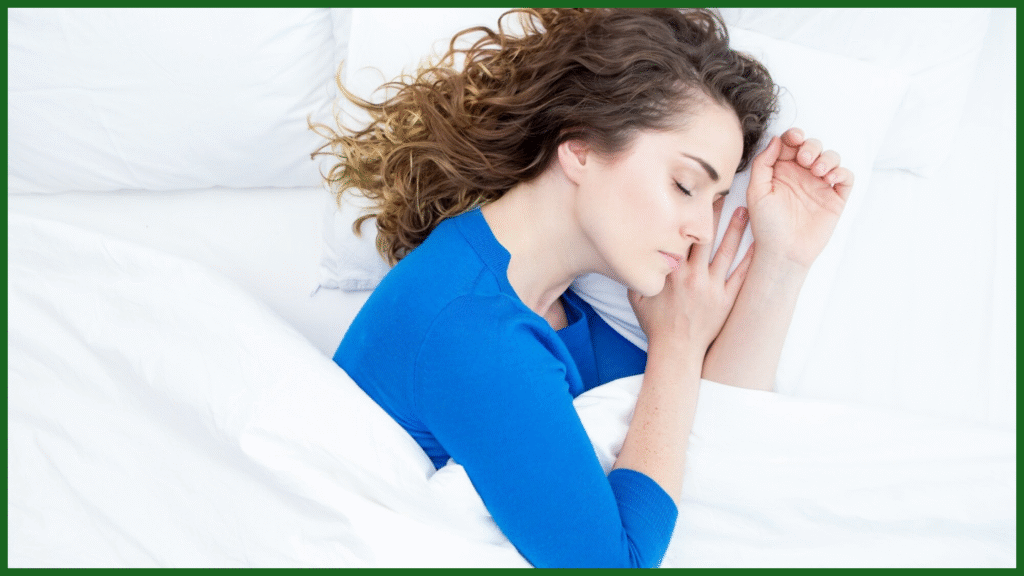
Spinal positioning is the difference between waking up with a sore back and the one that is comfortable. Most specialists recommend that side sleep is the most right and better position to sleep since it is natural. Your spine on your side, flattened slightly around the knees, remains long and straight. This eliminates tension on the lower back muscles. To avoid rotating hips, it is best to place a pillow between your knees. Such slight modification cushions your lumbar area against twisting during the night.
Nonetheless, the level of alignment hinges on specifics. Your head has to be straight up. It is unnatural to curve your neck because of a too high or too flat pillow. The support of shoulders also counts. Your bed must have the ability to sink as well as not collapse. The medium-firm surface is usually able to provide even support. Muscles go completely limp when your spine is in a neutral position over a few hours. It is better that it is consistent than perfect. Even slight progress on the part of alignment diminishes morning aches.
Side Sleeping Benefits
Side sleep does not provide only back support. It enhances breathing by ensuring that airways are not blocked. The posture tends to minimize the symptoms of snoring and mild sleep apnea. It is natural to make people move to their side, as it is stable and secure. In the case of digestion, side lying can decrease the acid reflux particularly on the left side. It is the reason why it has been recommended by many physicians in the treatment of heartburn.
Circulation is also beneficial in the side sleep. An upright body has an efficient blood flow. Sleeping on the side is a tip that pregnant women usually get to ensure that healthy circulation takes place. In order to find the side sleeping position comfortable, ensure that your knees are slightly bent and that your head is placed at a neutral position. Place a pillow between your legs to stabilize your hips. The side sleeping position is a viable option with a better position to sleep to those in need of the most comfortable position to rest in the long run.
Back Sleeping Pros and Cons
Back sleeping maintains a balance of weight. When it is supported, it eliminates facial pressure and strain on joints. It is a straight spine in position when you have a supportive pillow. Other scholars regard it as the better position to sleep since it does not compress the shoulders. A pillow under the knees will help to relieve tension on the lower back and help in attaining natural curves.
Nevertheless, there are disadvantages of back sleeping. It can increase snoring since the tongue will be pulled back by gravity. Sleep apnea individuals tend to have difficulties in this position. In the absence of knee support, the lower spine can over arch. It may result in morning stiffness. In case you like back sleeping, then position your setup. Support is what is needed between comfort and discomfort. Back sleeping when performed properly will give balanced rest with no strain on the joints.
Why Stomach Sleeping Causes Problems
Sleeping on the stomach puts an imbalance on the spine. You turn your neck this side and that side. This contortion causes strain on the muscles and squeezes nerves. The abdomen has no support hence the lower back tends to sink too much. This position with time exposes an individual to stiffness and long-term pain. These are the reasons why few professionals encourage people to sleep on their stomachs because it is a better position to sleep.
This is also an inefficient posture in breathing. The expansion of the chest is painful when it comes in contact with the mattress. Although a few are comfortable with stomach sleeping, the comfort could be lost with long-term effects. When the change of position is difficult, place a thin pillow under hips so as to lessen the tension. Slow change assists in the adaptation of your body. Some minor gains can save your spine, and decrease stress with time.
Best Position for Specific Conditions
Positioning must be specific to different health concerns. In the case of lower back pain, side sleeping using a knee pillow may alleviate the pain. In case of neck pain, do not concentrate on body position, it is the head alignment. Left-side sleeping can be beneficial to people with acid reflux. The snorers normally feel better when they do not lean back in the flat position. The better position to sleep is relative to your body and symptoms.
Pregnancy needs extra assistance. Sleeping on the side is healthy and comfortable. Shoulder pains can be relieved by rotating sides and applying cushions. Several factors which cause discomfort in hips include having proper spacing between the knees that are bent slightly. Rather than pushing the point, be able to adjust slowly. Tune in to your response to your body every morning. Monitor what alleviates stress and enhances vitality. Individual modifications can be the most effective in the long-term.
Pillow and Mattress Support
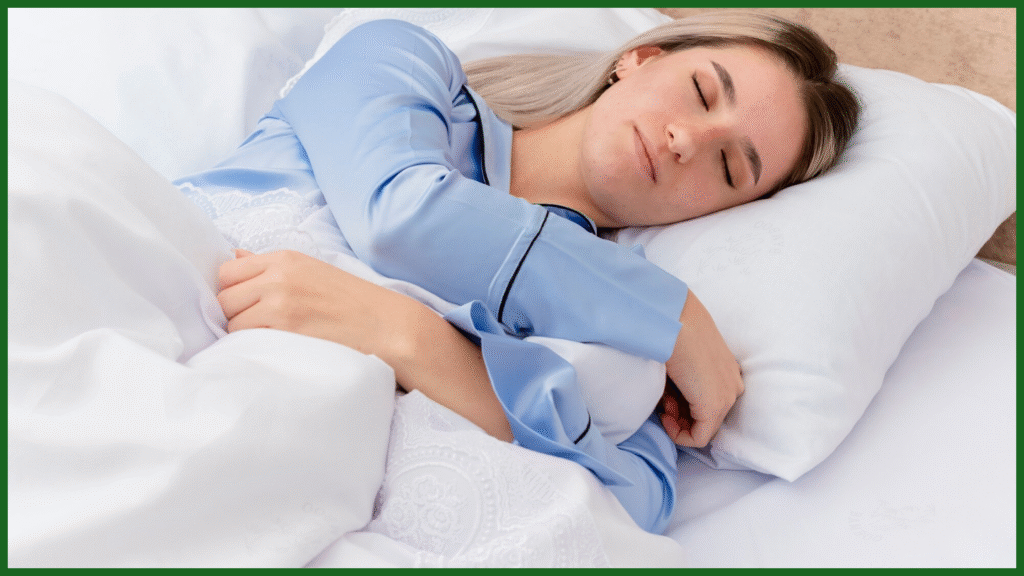
Even the most excellent posture is not possible without the proper support. With an overly soft mattress, things sink and get out of place. One that is too rigid forms points of pressure. Most sleepers require medium-firm mattresses, which usually provide them with support. It is necessary that your pillow holds your head straight to your spine. Thicker pillows are effective to the side sleepers. Medium height pillows are an advantage of back sleepers.
Comfort accessories are used to improve comfort. A knee pillow is used to keep hips in place. Knee cushion helps to relax the lower back. Mattress toppers do not need to substitute the bed but only add to the comfort of the surface. With the right support added to the better position to sleep, results are felt. You also wake up with fewer pains and more energy. To achieve comfort, one does not have to invest in costly devices, but has to think about specific modifications.
Conclusion
It is in the process of repairing your body when you are asleep. The stance is a significant aspect of that process. It does not need radical alteration to seek out the better position to sleep. It needs recognition and accommodating changes. Lateral sleeping is usually good in offering balanced positioning and breathing advantages. Back sleeping is done with good support. Sleeping on the stomach can be a source of stress in the long run. Learn to listen to your body and to tweak your setting. As alignment is enhanced, recovery is enhanced. Even little things at night can change the way you feel in the morning.
Disclaimer
The information in this article is only informative and educational. It should not be taken as medical advice, diagnosis or treatment. The health requirements and the sleeping positions differ with individuals. A change in sleeping pattern always needs a qualified healthcare professional or licensed medical provider before making any changes to your sleeping pattern, particularly when you have chronic pain, sleeping disorder, or underlying medical conditions. The material is a reflection of general wellness instructions, which are founded on publicly available studies and are not supposed to substitute individual medical advice.
Frequently Asked Questions
Which position of sleeping is generally judged to be the healthiest?
It is advised by most professionals that sleeping in the right position is the healthiest. It aids natural spinal curves, enhances breathing, minimizes pressure points and prevents long term back pain or stiffness.
Does a change of sleep position decrease the back pain?
Yes, yes, you can reduce back pain by adjusting the sleeping position. Correct spinal positioning also reduces the amount of stress on the muscles, restricting the amount of pressure on the joints, enhances circulation and also enables tissues to heal better during the night.
Is everyone bad at back sleeping?
Back sleeping does not harm everybody. It has the ability to keep a spine in neutral position, equalize weight and alleviate pressure on the joints of many people with proper pillow height and knee support.
What is the time of adapting to a new job?
The majority of their people adjust in two to four weeks. Slowly changing the body, using pillows, and practicing regularly will make the body used to a healthier and more supportive sleep position.
Is sleep posture dependent on mattress firmness?
Yes, the firmness of mattresses has a great influence on posture. The medium-firm surface is normally supportive enough, it does not allow excessive sinking, spinal alignment is maintained, and pressure points are minimized when a person will be asleep longer.