By Haseena, PhD in Health & Nutrition – Contributing Writer for HealthWellnessInf
- The Science Behind Shift Work and Sleep
- Why Sleep Matters for Shift Workers
- Common Sleep Struggles Among Shift Workers
- Building Healthy Sleep Habits
- Understanding Sleep Hygiene
- Best Sleep Schedules for Shift Workers
- Nutrition and Supplements for Better Sleep
- Simple Sleep Tools and Aids
- Managing Mental Health as a Shift Worker
- Expert-Approved Sleep Tips
- Conclusion
- Frequently Asked Questions
- References
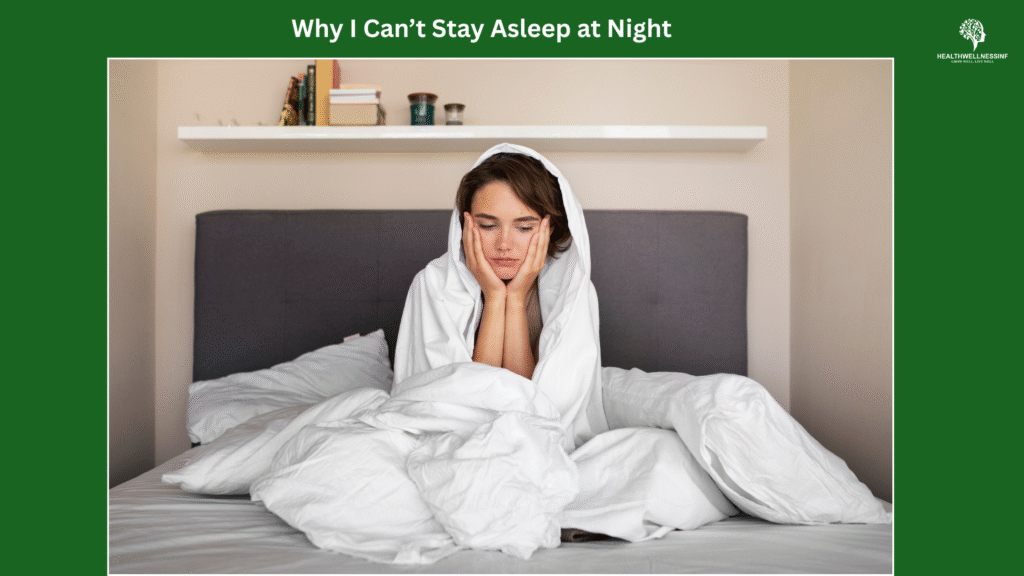
Night shifts or rotating shifts can work the bills- but it will cost you sleep. It can make you tired of work, and unhealthy no matter whether you are a nurse, factory worker or security staff because of the odd hours. This healthy sleep habits guide review for shift workers examines the well supported and researched ways of helping you sleep better, remain alert, and safeguard your health even when your clock does not fit the 9-to-5 time pattern.
The Science Behind Shift Work and Sleep
Sleeping at night and being awake in the day is natural in our bodies. This trend is controlled by the circadian rhythm which is the internal clock that follows the sunlight and darkness.
Your brain gets confused signals when you work on rotating shifts or at night when you work overnight, in that case, it is cold at the workplace and it is light when you want to sleep. With time this confusion results in a sleeping disorder known as Shift Work Sleep Disorder (SWSD), which is characterized by chronic fatigue, insomnia and lack of concentration (Source: CDC).
Research indicates that chronic shift work may result in risk of obesity, heart disease, diabetes and depression. Not only is it fatigue, but it is a break in the natural health cycle of your body (Source: AASM).

Why Sleep Matters for Shift Workers
Sleep is imperative in the healing of tissues, hormones and memory consolidation. Otherwise, you lose immune strength, mood, and concentration, which will not be optimal in the workplace when you must work and be safe.
Sleeping quality brings workers to shifts:
- Be vigilant on hectic hours.
- Strengthen immunity
- Diet appetite and metabolism.
- Minimize the possibility of mistakes in the workplace.
- Enhance mental wellness and quality of life.
The healthy sleep habits guide review for shift workers emphasizes that consistent, high-quality rest is the cornerstone of energy and long-term well-being (Source: National Sleep Foundation).
Common Sleep Struggles Among Shift Workers
You can not fall asleep after a night shift, it is not your fault. The difficulty is in time and place. The frequent sleep barriers are:
- Exposure to daylight: Exposing your brain to the sun makes you awake.
- Noise in the environment: Noise in the environment distracts rest caused by families, traffic, and activity during the day.
- Caffeine addiction: The end of the day beverages make the brain active.
- Rotations: Rotations disrupt the circadian rhythm.
- Social obligations: Daytime activities at the expense of recovery.
The initial step to a plan that will be able to be implemented would be to acknowledge these barriers (Source: Harvard Health).
Building Healthy Sleep Habits
Sleeping begins with routine and conscious behavior. Sometimes you have to work at odd times and then it becomes necessary to establish stable schedules. The following methods are proven to enable you to sleep more and recuperate more quickly. This is why this healthy sleep habits guide review for shift workers recommends the following techniques in order to rest better.
Maintain a Regular Sleeping Routine
Bed and rise at the same time as much as on weekends or off days. This assists your brain and body to have a consistent rhythm which makes it easier to sleep and wake up in a natural manner. Time constancy enhances your circadian cycle and enhances the quality of sleep in the long run. (Source: CDC)
Make the Dark and Quiet
The daytime can easily disturb your sleep with the help of light and sound. Wear blackout curtains or an eye mask to keep the sunlight out. Use earplugs or use a white noise machine to minimize external noise. Keep your room cool (between 18-20 deg C) and leave phone screens off before going to bed to have a better sleep. (Source: CDC)
Manage Light Exposure
Light informs your body whether time to be awake or to sleep has arrived. Installing good lighting at the work place to keep alert during night shifts. Wear sun glasses on your way home to limit exposure to sunlight. When you get into bed, make sure that your area is as dark as possible, this will ensure that your brain will secrete enough melatonin to allow you to get a deep sleep. (Source: AASM)
Limit Stimulants
Prior to bedtime, caffeine, nicotine, and hefty food may upset the natural sleep hormones of your body. Attempt to quit the use of stimulants at least four hours before sleep. Rather, use caffeine-free tea or hot water to relax. This will enable your system to have a rest and sleep more easily. (Source: Sleep Foundation)
Take Strategic Naps
Nap short naps may be significant in augmenting energy on long shifts. Before entering the work place a 20-30 minute nap makes one more alert but not groggy. Napping should not be too close to your usual sleep schedule because it will postpone your sleep. You should plan naps, so as to recover energy without disrupting your schedule. (Source: NIOSH)

Understanding Sleep Hygiene
Sleep hygiene refers to daily routines that facilitate the quality of sleep. Hygiene routines are an essential way in dealing with irregular rest in the case of shift workers.
Top Sleep Hygiene Practices:
- Have a daily routine before going to sleep.
- Make your bedroom dark, noisy and cold.
- Do not take alcohol at night, this breaks deep-sleep.
- Keep yourself hydrated during the period of your shift, but drink less one hour before going to bed.
- Sleep on your bed and not scroll on it.
You can use small but regular steps to train your body to fall asleep quicker and sleep more profoundly (Source: AASM).
Best Sleep Schedules for Shift Workers
There’s no universal formula for sleep, but structuring your rest around your specific shift helps your body adapt faster. The table below outlines sample schedules recommended in this healthy sleep habits guide review for shift workers. Aim for 7–8 total hours of sleep per 24-hour cycle, even if it’s divided into two sessions. (Source: Harvard Health)
| Shift Type | Sample Routine | Key Tips |
| Night Shift (7 PM – 7 AM) | After Work (8 AM): Have light breakfast – Shower – Sleep before 8.30 AM.Wake Up: 3-4 PM – light snack – exercising- dinner- work. | Maintain a dark and noisy space to sleep. Never take caffeine after 8 pm. Wake up on the same bedtime (even during days off). |
| Rotating Shifts | Adjustment: Rotating, change your bedtime 1 hour before or after.Sleep Pattern: 1 block (6-7 hrs) + optional 20-min nap (when necessary). | Timing of meals and exposure to morning light in shift changes should also be maintained. |
| Early Morning Shift (4 AM – Noon) | After Work (1 PM): Eat – Nap 90 minutes – Evening – Light activity.Main Sleep: At approximately 8 PM a 7-hour sleep. | I do not recommend screens before your evening sleep. Keep hydrated in the shift but cut fluid consumption down at bedtime. |
Pro Tip:
Consistency matters more than timing. Whether you sleep in one long block or two shorter sessions, focus on a routine your body can predict — that’s the real secret to sustainable rest for shift workers. (Source: AASM)
Nutrition and Supplements for Better Sleep
Eating before and after the shift contributes significantly to your sleeping life. A lot of people who are working in shifts rely on caffeine or fast food to keep them awake, however, it can also backfire, increasing your blood sugar levels, causing you to crash, and postponing your sleep.
This healthy sleep habits guide review for shift workers and the emphasis on the foods and natural supplements that can help them to have a better sleep, increase their energy levels, and improve their mental balance.
Sleep-Boosting Foods
Choosing the right foods can help signal your body that it’s time to relax and recharge. Below are options that promote calmness, stable energy, and better-quality sleep.
| Food | Sleep Benefit | Best Time to Eat |
| Bananas & Almonds | High in magnesium and tryptophan, which relax muscles and support melatonin production. | Before bed or at the end of a night shift. |
| Oatmeal | Complex carbs encourage serotonin and melatonin release for deeper sleep. | As a light pre-sleep meal. |
| Tart Cherry Juice | Natural source of melatonin; helps regulate circadian rhythm. | 1 hour before sleeping. |
| Kiwi | Contains antioxidants and serotonin precursors that aid restful sleep. | Evening snack after your shift. |
| Chamomile or Valerian Tea | Herbal infusions that calm the nervous system and reduce anxiety. | 30–60 minutes before bed. |
Helpful Natural Supplements
In case diet does not work, some natural supplements might enhance the quality of sleep and help your organism adapt to anomalous working hours.
| Supplement | Primary Function | Usage Tips |
| Melatonin | Helps realign your internal clock and promotes faster sleep onset. | Use 0.5–3 mg short-term; take 30 mins before sleep. |
| Magnesium Glycinate | Calms nerves, supports muscle relaxation, and enhances deep sleep. | Take with water before bed or after your shift. |
| L-Theanine | Found in green tea; reduces stress hormones and mental overstimulation. | Take before winding down to relax without drowsiness. |
| Ashwagandha | Adaptogen that supports stress resilience and stabilizes cortisol. | Take daily for overall balance; avoid near bedtime if energizing. |
| Valerian Root Extract | Herbal aid for falling asleep naturally without dependency. | Take 30–45 minutes before bedtime. |
Expert Insight
A healthy diet will help the workers shift towards more regular sleeping and improved mood regulation. Do not skip meals or take heavy fast food after work- both complicate sleeping. Make snacks rich in magnesium, teas, and light protein meals that do not oppose your natural recovery process but support it (Source: CDC).

Simple Sleep Tools and Aids
Although good habits are still the pillars to good rest, the proper sleep answers can really help – particularly to people who sleep in the daytime, or in noise-polluting places. These are some basic tools that are not substitutes of discipline, but help to establish a relaxed, regular sleep environment.
The healthy sleep habits guide review for shift workers has identified some of the most efficient sleep-promoting tools, which can help to promote better rest, recovery, and relaxation.
Sleep Masks
Exposure to light is among the greatest sleep disturbances to shift workers. The daylight can be blocked with a well-fitted soft sleep mask, which will send a signal to your brain that it is time to sleep. Wearing a mask on a routine basis conditions your body to think that it is time to sleep even when the world around is light. Find breathable fabrics, which remain comfortable at hours (Source: Sleep Foundation).
White Noise Machines
Noise in the daytime, such as in the traffic, a neighbor, or family activity, can easily dislodge rest. These disturbances are disguised by a white noise generator or a low level source of ambient sound which acts as a neutral background hum that will help your mind to relax. In the long run, this sound would get used as a signal to sleep, which assists workers to fall asleep more easily (Source: CDC).
Weighted Blankets
A weighted blanket offers an even and mild pressure over the entire body which in turn can decrease anxiety and lead to relaxation. This pressure is a kind of a calming of the nervous system through the mimicked feel of a hug. A large number of shift workers tell that they get better and more stable sleep with one, particularly following stressful shifts (Source: AASM).
Cooling Mattress Toppers
The temperature is an important determinant of sleep. The cooling topper or breathable bedding will assist in controlling the body heat and eliminating night sweats and keep you comfortable. Strive to keep your bedroom at 18degC to 20degC to be able to enjoy the most restorative sleep (Source: Harvard Health).
Relaxation and Sleep Apps
The latest sleep application can assist you during your nighttime with guided meditations, breathing exercises, and relaxing soundtracks. These programs eliminate psychological stress and assist in the shift of the working state to relaxation. Connecting with an app before bedtime will positively affect your concentration on sleep and the quality thereof (Source: NIOSH).
Managing Mental Health as a Shift Worker
The lack of sleep influences emotional stability. The workers who work at night are more exposed to stress, loneliness, and burnout.
Hints to preserve your psychological health:
- Plan family and friends time.
- Be mindful or engage in deep breaths every day.
- Work a little before or after your shift – even 20 minutes will do the job.
- Exposure to natural sunlight in the awake state.
- Have rest and stretch your legs with long shifts. (Source: NIOSH)

Expert-Approved Sleep Tips
Scholars concur that simple changes in lifestyle can have a significant effect on the shift of employees. These are the strategies that have been proven to help you to get a better rest, increase in alertness and overall health, even though your schedule continues to shift.
Certainly, in this case, a thorough evaluation of the issue is essential to develop a framework for managing sleep disorders in elderly patients.<|human|>Indeed, the comprehensive assessment of the problem is critical in this situation in order to come up with a model of handling sleep disorders in elderly people.
Rotate Shifts Forward
Whenever you can, organize your schedule in such a way that the shifts do not run morning – evening – night, but vice versa. Forward rotation will suit more your natural rhythm in the body and be easier to adapt to new times. Backward turns are more likely to bring about fatigue and insomnia.
Keep Your Phone on Silent
Alerts and screen brightness can destroy your sleep pattern. Silence your phone or leave it in a different room when you are sleeping. In case it is necessary, it is better to use All Do Not Disturb mode and emergency exceptions to provide continuous rest without calls about urgent cases.
Use Blackout Curtains
There are light cues which make your brain alert. The use of blackout curtains can ensure total sun block making you have a deep sleep during the day. Combine them with the low room temperature and the low amount of noise to achieve the best outcomes.
Abstinence at Night
Alcohol may cause heavy sleepiness, however, it interferes with deep sleep, and results in night awakenings. It is important to have at least three hours between bed and drinking because restful sleep is continuous and is crucial to people who take up unusual sleeping patterns.
Have Frequent Rest Intervals between Shifts
Regular small breaks make one more alert and less fatigued. Stretching, deep breathing or taking a brief walk is beneficial to circulation and concentration. Mental acuity and burnout can be avoided by taking even several minutes of mindfulness in every couple of hours.
Keep Hydrated, But in Small Infrequent Sips
Dehydration will make you slow and increase fatigue. Consume little water during your shift instead of consuming large quantities of water at a time, which disrupts sleep in the future. Stabilize body hydration with electrolytes in case of working long hours.
Track Your Sleep Patterns
Keep a basic journal or phone application where you jot down your sleep and anything that contributes or prevents your sleep. With time, this develops consciousness of your habits and allows you to perfect your routine to achieve improved outcomes.
Conclusion
Even work during odd hours can disorient your clock, but that does not mean that it can destroy your sleep. With routines and light exposure, a relaxed environment, you will be able to recondition your body to sleep deeply even in unusual times of the day. It depends on discipline. The most important thing is to treat your sleeping schedule as important as your work.
This healthy sleep habits guide review for shift workers demonstrates that long-term rest does not consist of fortune or good timing but is a matter of creating little, sustainable practices. By making a point to organize, eat well and implement appropriate sleep arrangements, you provide your body with the balance it does best, whether it is day or night.
Frequently Asked Questions
What is the amount of sleep that a shift worker should acquire per day?
The target set by shift workers ought to be a minimum of seven to eight hours of sleep per day although they may be split in two or more sessions to get the right amount of rest and wakefulness.
How can the effects of a night shift be improved by means of increased sleep?
Bed to bed soon after work, cover up with blackout curtains, keep your house cool and quiet, and do not see or hear caffeine or the screen before bed so that your body naturally relaxes.
Is melatonin safe and effective with shift workers?
Yes, melatonin is safe in helping to keep your internal clock and enhancing the quality of rest when taken on a short term basis, but never take on a long term or frequent basis without consulting a healthcare professional.
What do shift workers need to do to live a healthy lifestyle?
Maintain regular sleep and meal time, remain hydrated, eat lightly before going to sleep, and have short breaks in between shifts to keep focused, minimize fatigue and ensure overall better health.
References
- Centers for Disease Control and Prevention. (2024, March 12). Sleep and work: What you need to know. U.S. Department of Health and Human Services. https://www.cdc.gov/niosh/topics/workschedules/shiftwork.html
- Sleep Foundation. (2024, February 5). Shift work disorder: Symptoms, causes, and treatments. SleepFoundation.org. https://www.sleepfoundation.org/shift-work-disorder
- American Academy of Sleep Medicine. (2024). Healthy sleep tips for adults. AASM.org. https://aasm.org/resources/factsheets/sleepeducation.pdf
- National Institute for Occupational Safety and Health. (2023, November 9). Stress, fatigue, and shift work. Centers for Disease Control and Prevention. https://www.cdc.gov/niosh/emres/longhourstraining/shiftwork.html
- Harvard Health Publishing. (2024, April 18). How to get a good night’s sleep. Harvard Medical School. https://www.health.harvard.edu/mind-and-mood/how-to-get-a-good-nights-sleep
- National Sleep Foundation. (2023, December 10). Tips for sleeping better during the day. TheNSF.org. https://www.thensf.org/sleep-tips-for-shift-workers/
- American Psychological Association. (2023, August 22). Managing sleep and shift work stress. APA.org. https://www.apa.org/news/press/releases/stress/2020/sia-sleep
- National Institutes of Health. (2024, January 15). Circadian rhythms and sleep health. National Institute of General Medical Sciences. https://www.nigms.nih.gov/education/fact-sheets/Pages/circadian-rhythms.aspx