
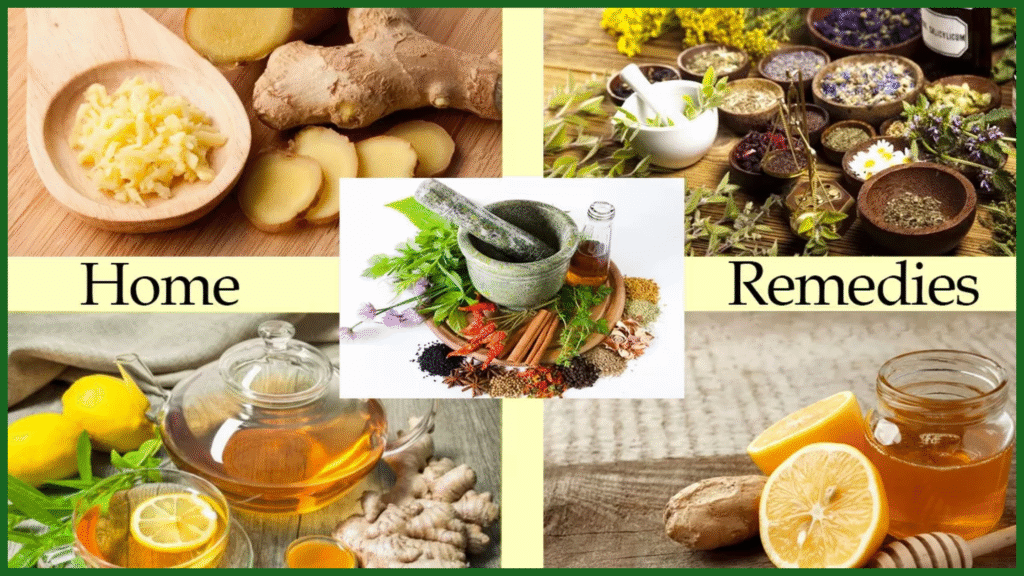
Home remedies at home are still a way in aiding relief of mild, self-limiting conditions when taken responsibly. It has been proven that some remedies have quantifiable advantages. The frequency of cough during upper respiratory infection can be decreased by honey (Abuelgasim et al., 2023). Ginger can be used to treat small-scale nausea and digestive discomfort.
Soothed eczematous itching is advised to be done with colloidal oatmeal (AAD, 2024). The use of these home remedies at home simply needs to supplement usual care. They do not replace professional diagnosis or treatment. People who have chronic diseases, who are pregnant or have long-lasting symptoms should seek the advice of a qualified healthcare provider prior to taking it.
- Understanding Home Remedies at Home
- Home Remedies at Home for Colds and Sore Throat
- Home Remedies at Home for Digestive Discomfort
- Home Remedies at Home for Minor Skin Concerns
- Home Remedies at Home for Headaches and Muscle Pain
- Safety Considerations When Using Home Remedies at Home
- Conclusion
- Frequently Asked Questions
- Medical Disclaimer
- References
Understanding Home Remedies at Home
The knowledge of home remedies at home is initiated by the acknowledgement of their functions in the management of mild and short term symptoms. Such treatments are commonly food-based, herbal, hydration, rest, and temperature treatment. In the past years, there has been an increase in scientific evaluation. There are techniques that have an empirical advantage in clinical studies, including honey, used as a cough relief, and ginger, used as a nausea remedy (Abuelgasim et al., 2023; Viljoen et al., 2024). Nevertheless, some traditional practices do not have well-grounded evidence. The efficacy changes with the condition, dosage, and condition of the health.
The assessment of the severity of the symptoms, medical history, and possible medication interactions should be considered before home remedies at home. The mild symptoms can be treated positively to supportive care. The continued or increasing symptoms must be addressed. Some of these herb medicines will interfere with prescription medications or exacerbate underlying diseases. Additional care should be taken with pregnant women, children, and elderly people as well as individuals with chronic illnesses. It is important to consult a competent medical practitioner to make sure that it is used safely and properly.
Home Remedies at Home for Colds and Sore Throat
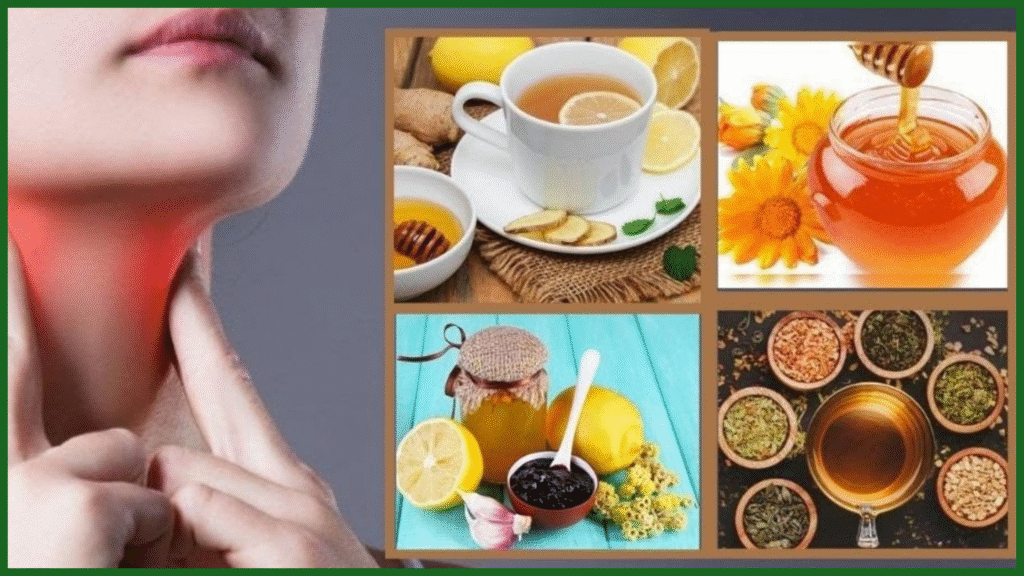
The infection of the upper respiratory is universal and in most cases it is viral. Majority of the cases are resolved without antibiotics. The supportive care can be used to minimize discomfort as the immune system combats the infection. A number of home remedies at home are backed by research to alleviate the symptoms. These treatments aim at relieving cough, congestion and throat swelling instead of treating the disease itself.
Honey for Cough Relief
Honey is among the home remedies that have been researched extensively at home in management of coughs. Honey has been found to lower cough rates and enhance the quality of sleep in children who are above the age of one year. In 2023, a systematic review established that Honey was better in treating acute cough symptoms than standard care (Abuelgasim et al., 2023). Its anti-inflammatory and antimicrobial effect can be related to its relaxing effect. Babies below the age of one year should not be administered honey due to the risk of botulism. In the case of adults and older children, a single teaspoonful before bedtime can be helpful. It may be ingested or administered into warm water or tea of herbs.
Steam Inhalation for Nasal Congestion
When having a cold, steam inhalation is popularly administered to decongest nasal passages. It operates through the process of moisturising the nose passages and aiding the mucus to loosen. In a 2024 clinical review, small short-term reducing effects on the symptoms of congestion were reported (Singh et al., 2024). The risk of burns however comes with steam therapy particularly in children. Warm showers are seen as safer substitutes of bowls of boiling water. Steam inhalation must be applied sparingly and should not be substituted with medical examination in case the symptoms become more severe or do not disappear.
Saltwater Gargle
Gargling with saltwater is a simple and easily available alternative of home remedies available at home to relieve sore throat. It can be used to decrease the swelling of the throat and loosen the mucus. Saltwater gargling is still advised on the guidelines of public health concerning slight throat pain (CDC, 2024). It is not used to treat bacterial infections like strep throat though it can alleviate irritation. Add half a teaspoon of salt to warm water, to make the solution. Rinse approximately 30 seconds and spit. Repeat as often as is necessary to make it comfortable.
Home Remedies at Home for Digestive Discomfort
There are also signs of the digestive system, including nausea, bloating, and constipation, which are usually temporary. Mild disorders respond to supportive care and dietary changes. Some of the home remedies at home have been tested in clinical studies to relieve the digestive system. Such methods are only meant to bring short-term pain. The abdominal pain that can not be explained, weight loss, or extremities are to be evaluated medically.
Ginger for Nausea
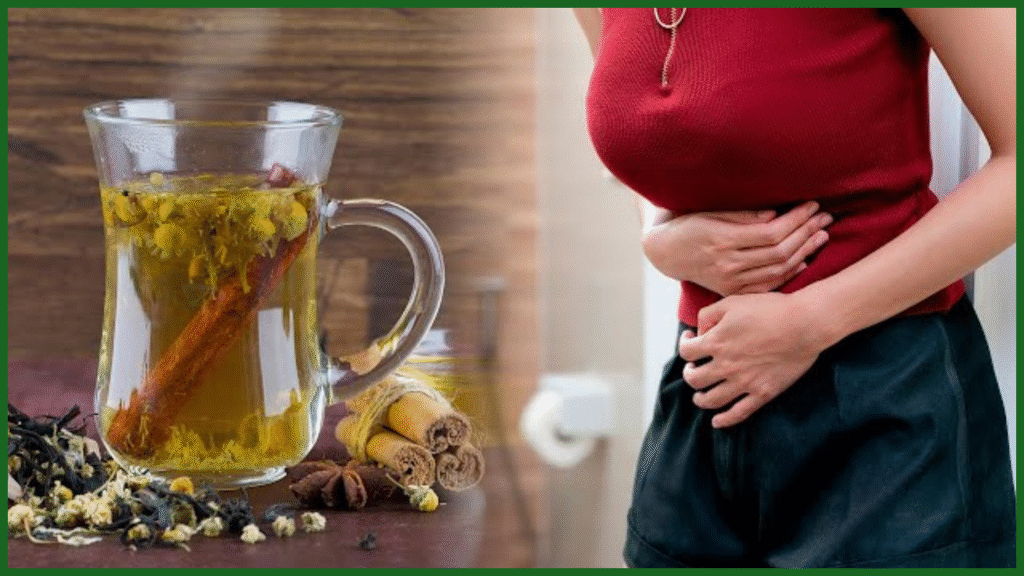
Ginger is a very popular home remedy for nausea at home. It has prokinetic and anti-inflammatory bioactive compounds. These properties can be useful to enhance gastric emptying and the sensation of nausea. A 2024 systematic review affirmed the use of ginger to help with mild nausea, including nausea in pregnancy (Viljoen et al., 2024). Ginger may be taken in the form of tea using fresh slices or as small supplement doses. The consumption is not to exceed the recommended levels to prevent gastrointestinal irritations. People who are taking blood thinners, or have bleeding conditions, must consult a medical practitioner before using ginger on a regular basis.
Peppermint for Irritable Bowel Symptoms
Peppermint oil is also used in the symptoms of irritable bowel syndrome. It acts by relaxation of smooth muscles in the gastrointestinal tract. Such an effect can decrease bloating, abdominal pains, and cramping. The peppermint oil has been proposed by the American College of Gastroenterology as a treatment remedy to relieve IBS symptoms (ACG, 2023). There is more evidence of enteric-coated peppermint oil capsules compared to tea preparations. Peppermint tea can be of mild comfort and has a lower research backing. People having acid reflux must be careful because peppermint may exacerbate the condition.
Hydration and Fiber for Constipation
Maintaining normal bowel functioning is a major factor that is served by adequate hydration. Water aids in softening the stools and intestinal motility. Fiber provides better consistency of stool and the regularity of bowel movements. The existing national nutrition recommendations focus on the consumption of whole foods instead of supplements as fiber sources (U.S. Dietary Guidelines, 2025). Risk of constipation can be mitigated by increasing the consumption of fruits, vegetables, legumes and whole grains gradually. The fiber must be gradually incorporated to avoid gaseousness or swelling. Constant constipation over a period of over two weeks is a matter that needs to be addressed with a medical professional.
Home Remedies at Home for Minor Skin Concerns
Minor skin irritation is frequent and can be treated with supportive care. Proper skin protection will improve the symptoms which are mild redness, itch, or superficial burns. Some home remedies at home have favourable dermatological support. These cures are only to be employed on simple and mild illnesses. Recurring rashes, erythema, indications of infection or ardent pain should be assessed in the nearest future.
Aloe Vera for Mild Burns
Aloe vera gel is widely practiced in home remedies in homes regarding slight burns. It also has some anti-inflammatory and moisturizing compounds. These properties could help in the hydration of the skin and healing in shallow burns. Another study, a review of dermatologists in 2023, concluded that aloe vera can be used to improve the healing of a first-degree burn under certain conditions (Rehman et al., 2023). Aloe gel must be used to clean healthy skin glowing only. It cannot be applied on deep, open, and infected wounds. In severe burns it is necessary to get emergency medical care.
Oatmeal Baths for Itching
It is commonly recommended as colloidal oatmeal as a way of soothing itching and the symptoms of mild eczemas. It does it by creating a protective layer on the skin and aiding in retaining moisture. Guidelines on dermatology still recommend oatmeal baths as a calming agent to use on mild atopic dermatitis (AAD, 2024). Regular use of oatmeal preparations can reduce the level of irritation and enhance comfort of the skin. People who are allergic to oats should not use this solution. The symptoms of persistent or progressive eczema should be assessed by a skilled medical practitioner.
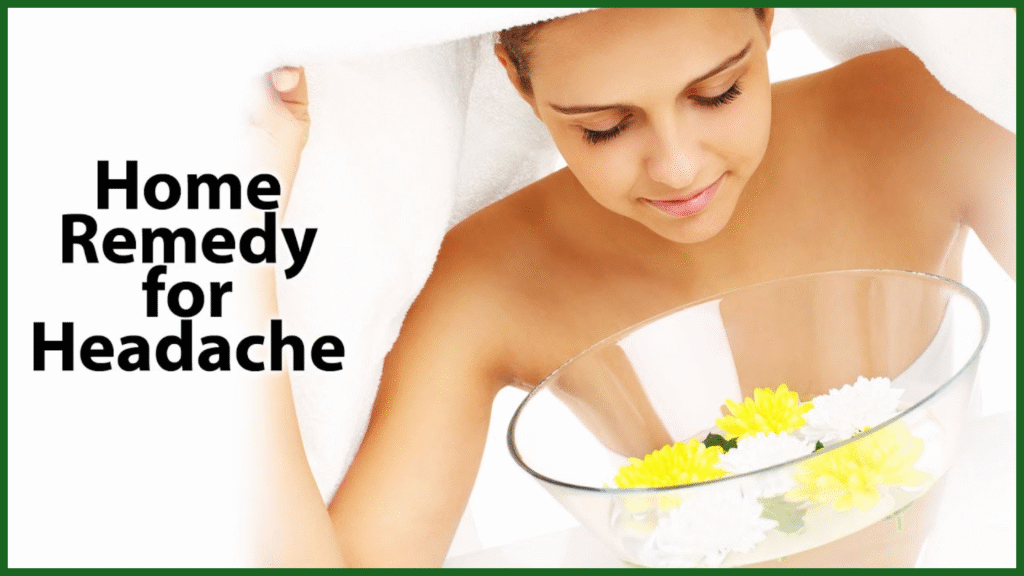
Home Remedies at Home for Headaches and Muscle Pain
Common complaints include tension headaches, slight soreness of the muscles. A great number of cases respond to rest and supportive care. Some home remedies at home can be used to alleviate pain without a drug. These methods are applicable in mild symptoms. Severe headaches, neurological alterations, or intensive pain must be examined by the doctor.
Cold or Warm Compress
Temperature therapy is an easy and readily available alternative amongst home remedies at home. Cold packs can be used to treat inflammation and local pain that is numb. They are usually applicable in acute trauma or headaches. Warm compresses assist in loosening up the tight muscles and in enhancing blood flow. Heat therapy is usually more effective in muscle tension and stress headaches. When and the type of symptoms are the criteria to decide between cold and heat. There is need to use compresses in short bursts in order to avoid irritation of the skin.
Magnesium for Migraine Prevention
Magnesium is significant in the functioning of the nerves and regulation of the blood vessels. Magnesium has also been linked to low levels of migraine. In the chosen people, supplementation can help decrease the number of migraines. They conclude that magnesium is a preventive measure in a subset of patients depending on a neurology checkup in 2024 (Sun-Edelstein and Mius, 2024). However, magnesium does not work in every one. In the case of oversupply, it may cause side effects on the gastrointestinal tract or drug interactions may be noted. One should take it under a doctor-prescription before taking it as supplements.
Safety Considerations When Using Home Remedies at Home
Home treatments at home may help in alleviating the mild symptoms, yet it is not risk free. Natural products are potentially side-effective, allergic or drug-interactive. Use and dosing should be evidence-based to be safe. Home treatments at home are only applicable on minor self limiting conditions. You should seek medical attention immediately in case you feel:
Fever of longer than three days.
- Severe chest pain
- Difficulty breathing
- Persistent vomiting
- Weakness or confusion, or other acute neurological symptoms.
Ingested herbs can have interaction with drugs. As an illustration, ginger can enhance the tendency to bleed in combination with blood thinners, and magnesium can act with some antibiotics. Always report to your healthcare provider on the usage of supplements or natural products of any kind. Children, pregnant women, elderly and chronic patients are advised to consult a professional before attempting to adopt home remedies at homes.
Conclusion
Home treatment in the home is still applicable in treatment of minor and short-lived health issues when administered properly. The studies back remedies that have been chosen like honey to treat cough, ginger to treat nausea, aloe vera to treat minor burns and peppermint to treat digestive problems. Nevertheless, security and appropriate utilization is necessary. Natural treatments do not necessarily pose no danger. The evidence-based use of these medications is responsible, and it reduces complications. People are supposed to consult a medical check up in the case of severe, persistent or worsening symptoms. Combining informed self-care and preventive healthcare methods enhance safer and more sustainable long-term well-being
Frequently Asked Questions
Are home remedies in the house scientifically proven?
Other research supported home remedies are honey as a cough medication and ginger as a nausea medication. Nevertheless, some have weak clinical support or dose-specific recommendations.
Are home remedies drugs substituting prescription medication?
Homeopathic treatments should not be used to substitute the prescription drugs that are identified to treat illnesses. They can offer relief to the weak symptoms but even cannot cure the serious or chronic diseases.
Are natural medicines safe to all?
Herbal medicines are not always safe. They may lead to allergies, side effects or drug interactions. People with health problems are not supposed to use it without consulting the health care facility.
What I would like to know is whether the symptoms are serious.
Severe pain, fever, difficulty in breathing, chest pain or changes in the body of a neurological nature are the symptoms, which should be evaluated by a physician immediately and not given self-treatment with home remedies.
Is it okay to administer home remedies to children?
Children are exposed to some unsafe home remedies at home. Honey should not be used in kids that are under one year. Remedies should be taken regularly after consultation by a pediatrist.
Medical Disclaimer
The content is provided to educate and inform. It is not medical advice, diagnosis or treatment. Home healthcare should not substitute a visit to a qualified medical practitioner. Always consult the doctor about the persistent, severe or worrying symptoms. Do not or will you ignore or defer professional medical advice as a result of information available here. The state of health of individuals is different and treatment must be taken with the help of a licensed medical practitioner.
References
- Abuelgasim, E., Albury, C., & Lee, J. (2023). Effectiveness of honey for symptomatic relief in upper respiratory tract infections: A systematic review. BMJ Evidence-Based Medicine, 28(1), 12–18. https://ebm.bmj.com/content/28/1/12
- American College of Gastroenterology. (2023). ACG clinical guideline: Management of irritable bowel syndrome. American Journal of Gastroenterology, 118(5), 822–844. https://journals.lww.com/ajg
- Rehman, S., et al. (2023). Aloe vera in dermatology: A review of clinical effectiveness. Journal of Dermatological Treatment, 34(4), 1–8. https://www.tandfonline.com
- Singh, M., et al. (2024). Steam inhalation therapy in upper respiratory infections: A clinical review. Respiratory Medicine, 219, 107326. https://www.sciencedirect.com
- Sun-Edelstein, C., & Mauskop, A. (2024). Role of magnesium in migraine prevention. Headache, 64(1), 23–32. https://headachejournal.onlinelibrary.wiley.com
- U.S. Department of Health and Human Services, & U.S. Department of Agriculture. (2025). Dietary guidelines for Americans, 2025–2030. https://www.dietaryguidelines.gov
- Viljoen, E., Visser, J., & Koen, N. (2024). Ginger for nausea and vomiting: Updated meta-analysis. Nutrition Reviews, 82(3), 320–335. https://academic.oup.com/nutritionreviews