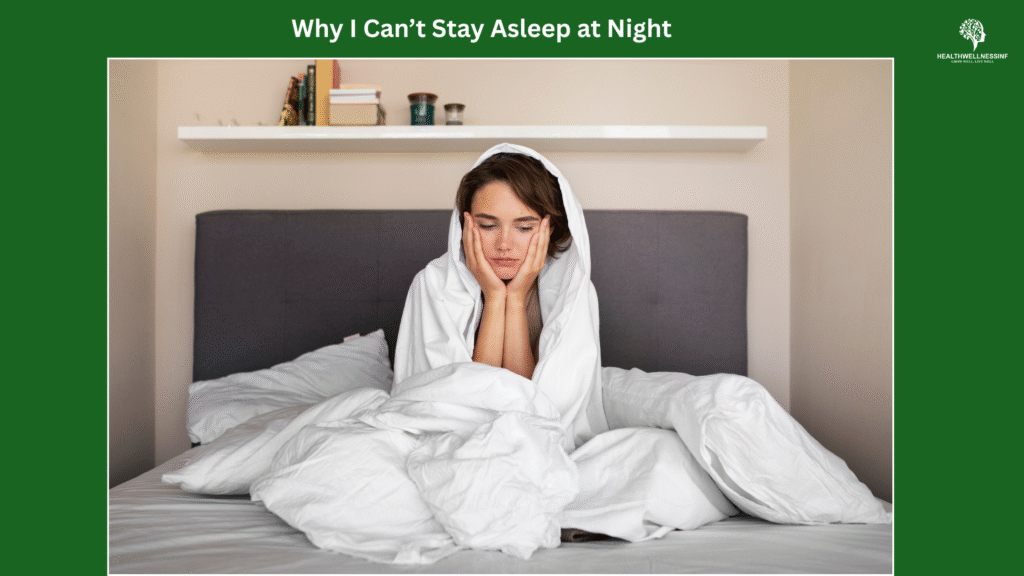
Yes, for most people, is it better to sleep in the cold rather than a warm environment. Cooler temperatures help your body lower its core temperature, which supports faster sleep onset, deeper sleep stages, and fewer nighttime awakenings. Sleep experts generally recommend a bedroom temperature between 115–19°C (60–67°F) for optimal rest.
- Cold Sleep and Body Temperature
- Warm Sleep and Comfort Considerations
- Sleep Hormones and Temperature Regulation
- Cold vs Warm Sleep Comparison
- Best Temperature for Different Sleep Needs
- Practical Tips for Better Sleep Temperature
- Scientific Research on Sleep Temperature
- The Takeaway
- What to Do Next
- Learn More With HealthWellnessInf
- Frequently Asked Questions
Sleeping difficulties and inability to fall asleep or sleep are one of the problems many people encounter and usually they do not consider one basic aspect that is room temperature. If you have ever wondered if is it better to sleep in the cold or warm, the answer lies in how your body naturally regulates sleep throughout the night.
The purpose of temperature in determining the rate at which you fall asleep, the nature of the sleep, and the frequency of waking up is direct. The changes as simple as your sleep environment can make a difference in the quality of your sleep without drugs and complicated routines. Get to know how temperature influences your body and circadian rhythm so that you can make practical simple changes that help you achieve more consistent and restful sleep.

Cold Sleep and Body Temperature
In order to be aware of the quality of sleep, it is useful to begin with the way the body cools down at night. As you get ready to sleep, your core temperature will automatically decrease in the circadian rhythm. Resting in a room with low temperature facilitates this biological activity. An example is lower ambient temperatures, which indicate to the brain that it is time to take a rest and this enables the body to fall asleep more easily.
The studies have found out that cooler temperatures are associated with faster sleep onset and deeper sleep duration. That is why the question whether if is it better to sleep in the cold or warm has a clear physiological explanation to many people. Moreover, the night restlessness is decreased by having cooler rooms.
The reduction of the awakenings will enable the body to go through the sleep cycles without any difficulty, which contributes to physical rejuvenation and the mental clarity of the body. Breathable bedding and airflow in addition to ensuring temperature control. Some just have to flip a switch to the thermostat and see a significant difference instead of altering their sleep schedule altogether.
Warm Sleep and Comfort Considerations
Although warmer temperatures are unfavorable to most sleepers, it is important that warmth is important in the overall comfort. There are those who feel more at ease and can sleep better when it is a little warmer especially in colder seasons. Warmth also has the ability to make a person feel cozy and therefore the body relaxes after a day. This is particularly so among people who are sensitive to cold or get cold easily.
Nonetheless, too much heat may disrupt the normal sleep patterns. A hot room is likely to produce night sweats, sleeplessness and frequent disturbances of deep and REM sleep. Over time, reduced deep sleep affects recovery, focus, and energy levels. For those asking if is it better to sleep in the cold or warm, comfort matters, but overheating is usually more disruptive than mild coolness. Balancing warmth through bedding rather than room temperature is often a more effective approach.
Sleep Hormones and Temperature Regulation
The quality of sleep is directly linked to the production of hormones. Melatonin, a hormone that makes you sleepy, and has circadian timing, is the hormone that is released by your body as the night approaches. Lower temperatures are conducive to the release of melatonin. Once the body perceives that it is cold then it enhances signals that encourage drowsiness and relaxation.
An overabundance of heat may inhibit or slow down the production of melatonin. This complicates sleeping and may bring sleepcycles to the later parts of the night. This is the reason why a lot of experts suggest the use of a cooler bedroom in order to have a uniform and healthy sleeping pattern. Temperature and exposure to light is used to control the internal clock of the body. To understand it better, our guide on practical circadian rhythm sleep talks about how both light and temperature interact to provide natural, high quality sleep.

Cold vs Warm Sleep Comparison
This comparison shows why, scientifically, is it better to sleep in the cold or warm often favors cooler conditions. A direct comparison helps clarify the differences clearly.
| Factor | Cooler Sleep Environment | Warmer Sleep Environment |
| Sleep onset | Faster | Slower |
| Deep sleep | More consistent | Often reduced |
| Night awakenings | Fewer | More frequent |
| Hormone support | Strong melatonin release | Possible disruption |
| Overall comfort | Refreshing for most | Comfort varies by person |
Best Temperature for Different Sleep Needs
Certain individuals require more sleep than others do and the bedroom temperature should be adjusted. The optimal sleeping range of adults is 15–19°C because temperatures below this promote deeper and restorative sleep cycles, and nighttime rest that is more consistent. Slightly warmer conditions are usually beneficial in children and old age. Younger sleepers require coziness and predictability, and a gentle warmth can benefit the elderly and aid the comfort of the joints, avoiding overheating.
Athletes tend to heal in cooler rooms because cooler temperatures will assist in reducing inflammation and allowing the body to repair the muscles during the night. To make more specific changes, our guide on bedroom environment optimization describes how bedding, airflow, and humidity can be used in combination with each other to enhance the quality of sleep.
Practical Tips for Better Sleep Temperature
Even minor modifications to your sleeping surroundings can do wonders in terms of comfort and the quality of sleep. By putting emphasis on the control of the temperature, it allows your body to maintain its natural sleep cycle without experiencing any form of disturbances at night.
- Breathable fabrics: Cotton or bamboo sheets have the natural ability to lower the amount of heat retained.
- Air circulation: Open vents or fans are used to ensure that there is a consistent flow of air in the room.
- Evening routines: The routines of showering cool down the body temperature before going to sleep.
- Regular thermostat: It helps to maintain the same temperature in the room to avoid any unexpected disruptions in sleep.
- Light sleepwear: Breathable loose clothes are helpful to keep the body heat at a natural temperature.
- Cooling bedding: Cooling mattress mattresses or pillows will aid in preventing nocturnal overheating.
Scientific Research on Sleep Temperature
The case of sleep research has continuously indicated that thermoregulation is one of the main determinants of sleep quality. When the body is ready to go to sleep, it needs to lose heat to the skin in order to get deeper sleep states effectively which can be found extensively in the body of sleep research.
Multiple peer-reviewed studies support this relationship. Findings discussed in clinical sleep medicine research reviews published by Sleep Medicine Reviews show that cooler bedroom environments improve the body’s ability to dissipate heat, leading to better sleep efficiency and duration. This evidence helps clarify why, from a scientific perspective, whether is it better to sleep in the cold or warm often depends on how effectively the environment supports heat loss.
Further evidence from sleep and circadian rhythm research shared by the National Institutes of Health explains that stable, cooler nighttime temperatures are associated with fewer awakenings and improved sleep continuity. Researchers note that reduced sleep fragmentation allows the body to complete full sleep cycles, supporting deeper and more restorative rest.
Additional insights from Harvard Medical School sleep studies highlight that cooler sleep environments promote longer REM sleep duration, which is essential for memory consolidation and emotional regulation. These findings reinforce expert recommendations for maintaining a cool, consistent bedroom temperature.

The Takeaway
To the majority, the quality of sleep, deeper sleep phases, and fewer night awakenings are favored by sleeping in a cooler place. The low temperatures allow the body to adhere to the natural circadian rhythm by supporting the normal temperature conditions and release of melatonin.
Although personal comfort remains a factor, studies have always revealed that extreme heat affects sleep worse than moderate coolness. Minor changes, including enhancing circulation or changing bedding, can count. When you are making a decision whether is it better to sleep in the cold or warm, there is evidence to support the argument that cold weather is more consistent with the way the body is supposed to rest and recuperate.
What to Do Next
If you are still asking if it is better to sleep in the cold or warm, start by testing small changes. Lower your room temperature slightly, use breathable bedding, and observe how your sleep improves over a week. Consistent adjustments often lead to noticeable gains in energy, focus, and overall wellbeing.
Learn More With HealthWellnessInf
The process of establishing the best sleeping environment does not necessarily need to be complex. At HealthWellnessInf, we concentrate on providing easy to understand and research supported facts that can enable our readers to familiarize themselves with how sleep temperature, habits and bedroom environment affect rest quality.
If you want to explore this topic further, you can read more in our in-depth sleep and wellness articles designed to support informed lifestyle choices. Each guide explains practical steps using evidence-based insights, without promoting products or services.
Whether you are adjusting your sleep environment or learning how temperature affects recovery and circadian rhythm, HealthWellnessInf provides reliable information to help you make confident, informed decisions about your sleep health
Frequently Asked Questions
Should one sleep in the cold or the warm winter?
Sleeping in a cool room with warm bedding is normally best even during winter. This will enable your body to maintain its main temperature by itself, and you will feel very comfortable during the night as well.
Is sleeping in a cold room going to make you sick?
No, low temperatures do not make one sick. It is not the room temperature that makes one sick, it is viruses. By sleeping on the correct bedding, it is possible to stay comfortable and enjoy cooler air at the same time.
What if I wake up cold at night?
Your bedding is not balanced and this usually wakes you cold. Layered blankets or thermal sleepwear can be added to keep the room warm without heating it up too much and also to avoid a distortion in the sleep cycles.
Does warm sleep ever help?
A moderately warm climate can initially be soothing particularly to those who are cold-sensitive. Nevertheless, warm rooms are likely to decrease both deep and REM sleep with time, and colder temperatures can support the quality of sleep in the long run..