Yoga exercises have gained popularity in almost all parts of the world as a natural means of enhancing physical and mental health. Yoga is also practiced by many as a means of maintaining an active lifestyle, alleviating stress, and promoting a healthier lifestyle. In contrast to most conventional exercises, yoga is also less about body movement and more about breathing and relaxation exercises that encourage balance and well being. Yoga is a combination of stretching, breathing exercises, and mindfulness, which is designed to relax the mind and the body. High frequency training can enhance posture, flexibility, and muscle tone, as well as aid mental focus.
- What Are Yoga Exercises?
- Major Benefits of Yoga Exercises
- Yoga Exercises for Beginners
- Simple Yoga Exercises You Can Do at Home
- Morning Yoga Exercises for a Healthy Start
- Daily Yoga Routine for Beginners
- Yoga Exercises for Weight Loss
- Safety Tips When Practicing Yoga Exercises
- When to Avoid Yoga Exercises
- Conclusion
- Frequently Asked Questions
The movements also work well to relieve stress and yoga can be a useful activity among individuals who have a hectic or demanding schedule. Practicing daily yoga exercises can help to become more flexible, have better balance and manage stresses with more ease. With time, the body tends to relax and become strong mainly through constant practice. Accessibility is one of the largest benefits of yoga. A lot of individuals are fond of doing yoga exercises at home so that they can have a simple and convenient workout that does not require any special equipment or gym membership.
What Are Yoga Exercises?
Yoga practices are physical activities and poses that are aimed at enhancing strength, flexibility as well as body consciousness and promoting well-being. They are significant in the aspect of holistic health since they concentrate on the coordination of the body and mind collectively. Yoga exercises for beginners and simple yoga poses are the most effective beginners can initiate with as they entail light bends and controlled motions that can enhance posture, elasticity, and coordination.
Yoga is an ancient Indian practice that has a long history of thousands of years of support of physical, mental, and emotional health. These movements involve stretching, control of breathing and relaxation which are in aid of keeping body balance and decreasing tension. Yoga is a simple form of yoga practiced by many people as one of the easy yoga workout that are able to enhance concentration, calm the mind and assist in enhancing health in the long run.
Major Benefits of Yoga Exercises
- Improves Flexibility: Yoga exercises for flexibility ensure that muscles and joints are stretched so that the body becomes a lot more flexible. Stretching helps in making different parts of the body more flexible and less stiff.
- Strengthens Muscles: Bearing the various yoga poses develop muscle strength and stability. These assisted movements utilize more than one muscle group and can be used to enhance balance and general physical fitness.
- Reduces Stress and Anxiety: Mindfulness and breathing practices adopted in yoga relax the mind and decrease mental stress. Practices will help to relax and enhance the emotional state.
- Supports Weight Management: A regular routine of yoga exercises for weight loss assists in burning up the calories, enhances metabolism and promotes the adoption of healthy lifestyle habits that can help to maintain weight loss.
- Improves Posture: Yoga makes the core muscles and spine stronger, which enables good body posture. This enhances postures as well as minimizing the strain of sitting in a given position or sitting in an ill posture.
Yoga Exercises for Beginners
Novices are supposed to begin with simple yoga exercises with emphasis on mild movements and simple postures. A gradual increase can assist the body in adjusting to stretching and balance and lessen the likelihood of injury. Understanding the basic yoga poses for beginners also gives confidence and enables a person to progressively develop flexibility, strength and body awareness.
Mountain Pose (Tadasana)
- Description: Mountain pose is a basic standing posture as the body is straight and the feet are joined as well as the arms are loose against the sides. It assists to create correct body posture and consciousness.
- Benefits: This pose is better than sitting up straight as it enhances posture, strengthens leg muscles and promotes body balance.
- Beginner Tips: You should stand erect with your shoulders relaxed, evenly divide your weight between both feet and concentrate in slow deep breathing.
Downward Dog (Adho Mukha Svanasana)
- Description: Downward Dog is an inverted V shape pose with hands and feet on the ground and hips lifted up.
- Benefits: It stretches hamstrings, shoulders and spine and tightens arms and legs.
- Beginner Tips: Remember to keep the knees bent if you are not very flexible and practice having a straight back, but not bending the heels to the floor.
Child’s Pose (Balasana)
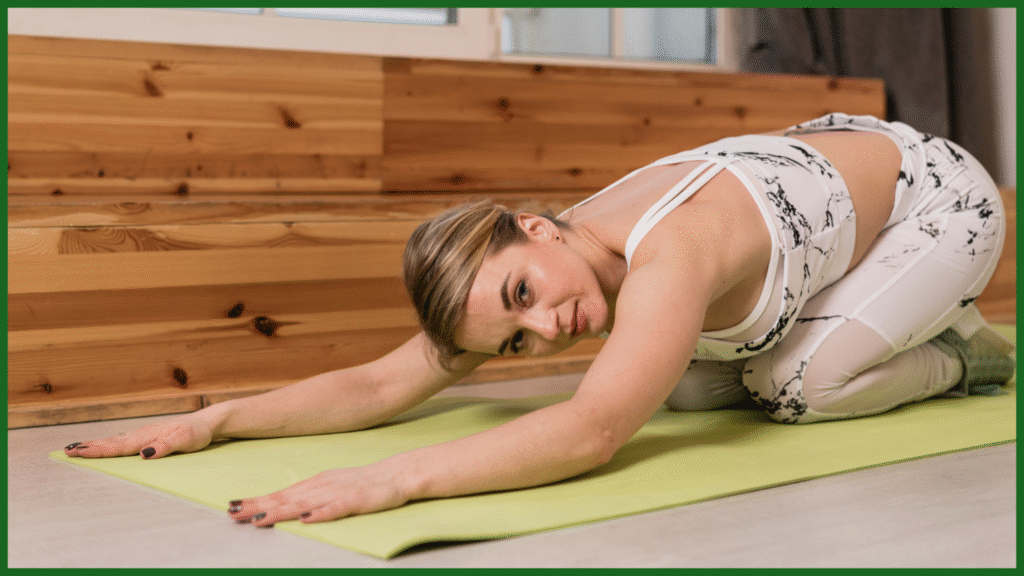
- Description: Childs pose is a resting pose that is gentle in nature with the body bent forward with forehead against the mat and arms relaxed or extended.
- Benefits: This pose will allow the body to relax, stretch the lower back and ease tension.
- Beginner Tips: Breathe slowly and make everything in your body completely relaxed in this posture to enjoy its soothing effects.
Cobra Pose (Bhujangasana)
- Description: Cobra Pose is practiced by lying on the stomach and lifting up the chest without leaving the lower body off the floor.
- Benefits: It strengthens the spine, stretches the chest and shoulders as well as aiding in better posture.
- Beginner Tips: Do not over reach the back but hold the elbows a little bent to ensure comfort and correct position.
Tree Pose (Vrikshasana)
- Description: Tree Pose is a balancing pose in which one foot is positioned against the other leg with the body in an upright position.
- Benefits: This posture will enhance balance, improve leg muscles, and improve concentration.
- Beginner Tips: Find a spot ahead of you that you can stand on and keep even to maintain balance and yourself, also use the calf or thigh instead of the knee.
Simple Yoga Exercises You Can Do at Home
Yoga exercises at home are also convenient since it needs very little space and equipment. Since individuals provide flexibility and flexibility in time schedules and one can exercise anywhere they feel comfortable, many people practice yoga at home. Flexibility, muscle-strengthening and relaxation can be facilitated when regularly and safely done.
Seated Forward Bend
Seated Forward Bend is a sitting position where legs are straight in front of us and we slightly bent at the hips to come towards the feet. This is a pose that lengthens the hamstrings, spine and lower back, increases flexibility and alleviates tension. Novices are recommended that they maintain a straight back, bend slowly at the hips, and do not strain the stretch.
Cat-Cow Stretch
The Cat-Cow pose is a kneeling pose that is done with hands on the knees and alternating between teachers rounding of the spine upward and back bending downwards. The movement enhances the flexibility of the spine, eliminates the back pains and helps in maintaining good posture. Novices are advised to go at slow pace when breathing, with inhalation of the cow pose, and exhalation of the cat pose.
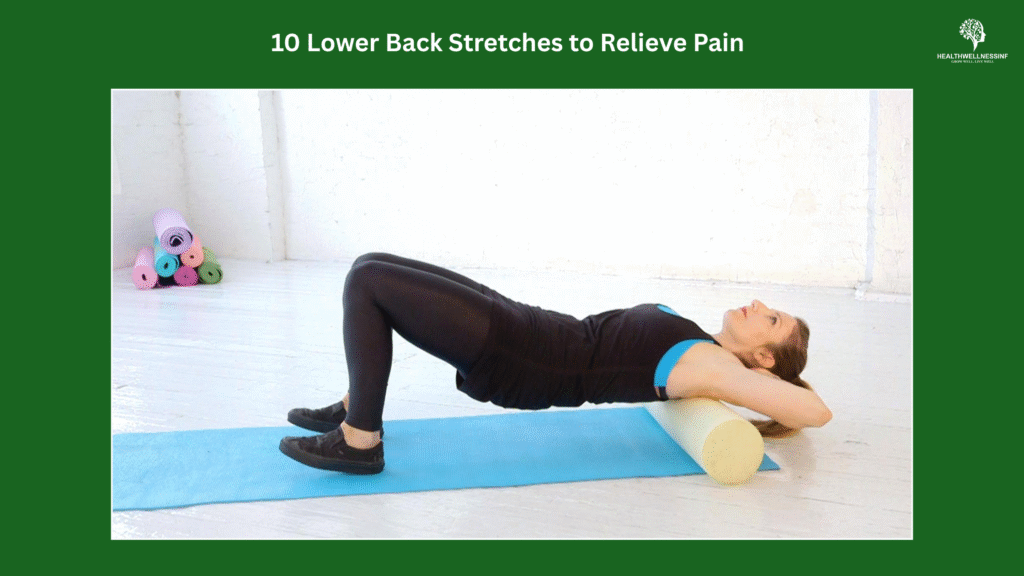
Bridge Pose
Bridge Pose is done by lying on the back with the knees bent, and then raising the hips up, leaving the feet and shoulders on the ground. It builds the glutes, lower back and core and stretches the spine and chest. Novices can also raise the hips gradually, without over-stretching the back to ensure comfort and stability.
Warrior I Pose
Warrior I is a standing posture with one leg forward and the other leg is straight. Arms are upraised. It makes the legs stronger, better at balancing and increasing core stability. Novices need to ensure that the front knee is in the same direction as the ankle and breathe steadily when in the pose.
Morning Yoga Exercises for a Healthy Start
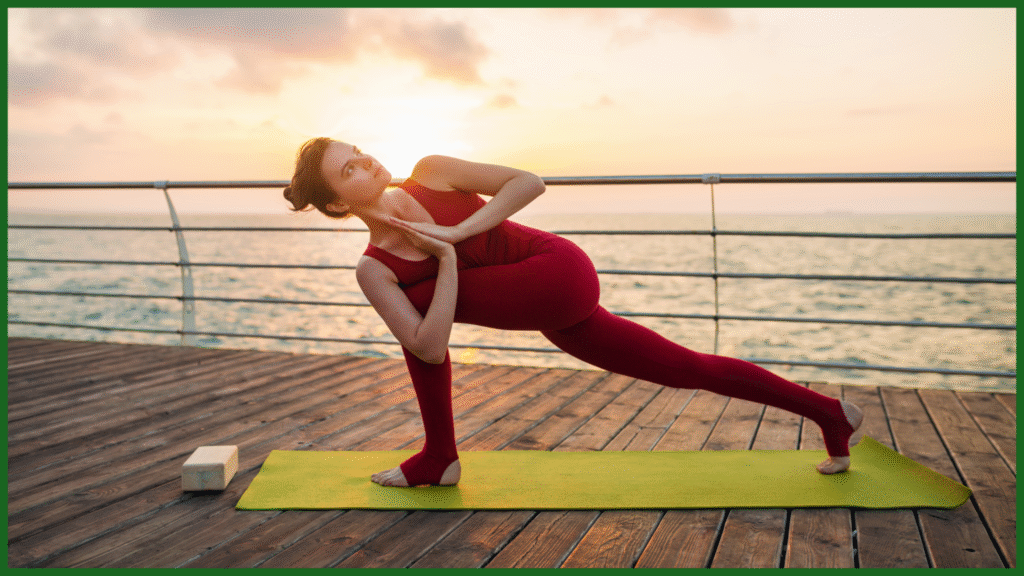
In the morning, it is better to have morning yoga exercises as it makes the body and mind more active and ready to start the day. The light exercises and breathe-ins will help the blood circulation, raise the activity level, and make a person clearer mentally. Morning yoga can also alleviate stress, improve mood and give the body a physical and emotional balance in general throughout the day.
An easy practice may consist of breathing exercises to relax the mind, stretches to relax the muscles, and a relaxation posture to achieve inner calmness. The combination prevents the body from being rigid, assists in having an improved posture and readiness to move. Morning practice helps to maintain consistency and develop a healthy lifestyle.
Daily Yoga Routine for Beginners
Having a regular practice is also essential when starting with yoga in order to enjoy its maximum advantages. Yoga is a system of activities that can be performed daily yoga exercises enhance flexibility, strength, and mental concentration. It is recommended that beginners use simple motions and repeat them with more intensity and proper body positioning and breathing without altering posture.
The simplest routine is to start with 5 minutes of breathing exercises to calm the mind, and proceed with 10 minutes of stretching to warm up the muscles. The yoga poses that follow at 10 minutes will aid in strength and balance. It is best to conclude with a 5 minutes of rest and relaxation to help the body to get back on track, decrease stress, and stay healthy.
Yoga Exercises for Weight Loss
Yoga exercises for weight loss by metabolizing the body and exercising more. Some yoga workouts aimed at losing weight are dynamic, involving a variety of muscles to burn calories and gain body strength. These movements also increase flexibility and provide superior energy balance in the body.
Regularity is a key to success in terms of results as a regular practice of yoga will help to have an active routine. Yoga can also be used in combination with healthy lifestyle practices like healthy eating, hydration, and sleep to help control weight. In the long-term, the technique can lead to enhanced fitness and long-term weight loss.
Safety Tips When Practicing Yoga Exercises
- Warm up before starting yoga: It is essential to warm up before engaging in yoga to prepare the muscles and joints. A good warm-up will prevent any injury and enable the body to move more easily during the practice.
- Avoid forcing difficult poses: Practice whatever you are comfortable with and advance at a slow pace. Muscle tension, joint strain, or unwarranted pain can be the result of subjecting the body to difficult positions.
- Practice proper breathing: Breathe slowly and with control to achieve balance and stability in the yoga practice. Breathing properly helps in relaxation and focus during the session as well.
- Maintain correct posture: Be conscious of body alignment when doing each pose. Proper posture aids in decreasing the load on the spinal column and muscles and enhances efficiency of all movements.
- Use a comfortable yoga surface: Practice on a yoga mat or a soft surface to support and give stability. It will prevent slipping and will cushion the joints during various poses.
- Stay hydrated during practice: It is important to drink water before, during, or after yoga to keep yourself hydrated and healthy, particularly when the practice becomes longer and more intense.
- Consult a healthcare professional if needed: People with injuries, medical conditions or pregnancy should consult a healthcare professional before beginning yoga. When correctly guided, the exercises become safe and suitable to their health condition.
When to Avoid Yoga Exercises
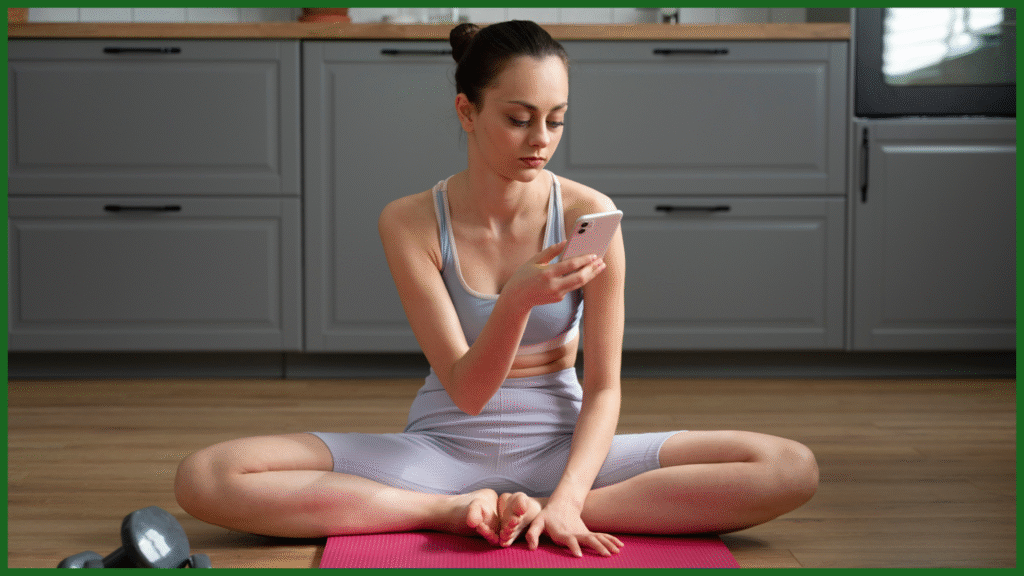
In some cases, yoga ought to be practiced with care particularly in cases where the body is healing after being injured. People with new muscle pains, fractures, and surgery must not subject themselves to heavy yoga practices until they are well-recovered. Yoga that lacks productive healing can aggravate the injuries and slow the healing process.
During yoga practice, the consideration due to pregnancy issues, acute joint pain, or other medical conditions can also be required. When it comes to these cases, a healthcare professional should be consulted first before beginning any routine. Adequate instruction can also be used to make sure that the approach is safe and that the health risks are avoided in the process of exercise.
Conclusion
Yoga has numerous tangible and intangible benefits received by practicing yoga on a regular basis. Yoga also allows improving flexibility, muscle strength, and balance and facilitating mental health. Simple yoga exercises help to become less stressed, to improve the posture and become more physically fit. The beginners are advised to commence simple yoga exercises and gain confidence over time with a routine practice. With time, a yoga practice everyday can serve in the long-term health, enhance relaxation, and aid in a balanced lifestyle that can aid both the physical and emotional health.
Medical Disclaimer
The article is informational and not in place of professional medical advice. Although yoga can be beneficial to maintain health and wellness, people who have an injury, chronic disease, or are pregnant should seek a qualified healthcare expert to start a new workout program.
Frequently Asked Questions
What are yoga exercises and why are they beneficial?
Yoga practices are physical activities that are supplemented by breathing exercises that enhance the body in terms of flexibility, strength and relaxation. They assist in alleviation of stress, posture, and overall body and mind.
Can beginners practice yoga exercises at home?
Yes, simple and basic poses can allow beginners to practice yoga at home. This will enable them to be strong, more flexible and steady without any specific equipment or gym.
How often should yoga exercises be practiced?
It is preferable to do yoga exercises every day or several times per week. Regular training aids in becoming more flexible, well balanced as well as fit and long term well being.
Do yoga exercises help with weight loss?
Indeed, yoga can help in weight loss through better metabolism and exercise. Regular exercising and good habits will help in burning calories and keeping the body weight down.