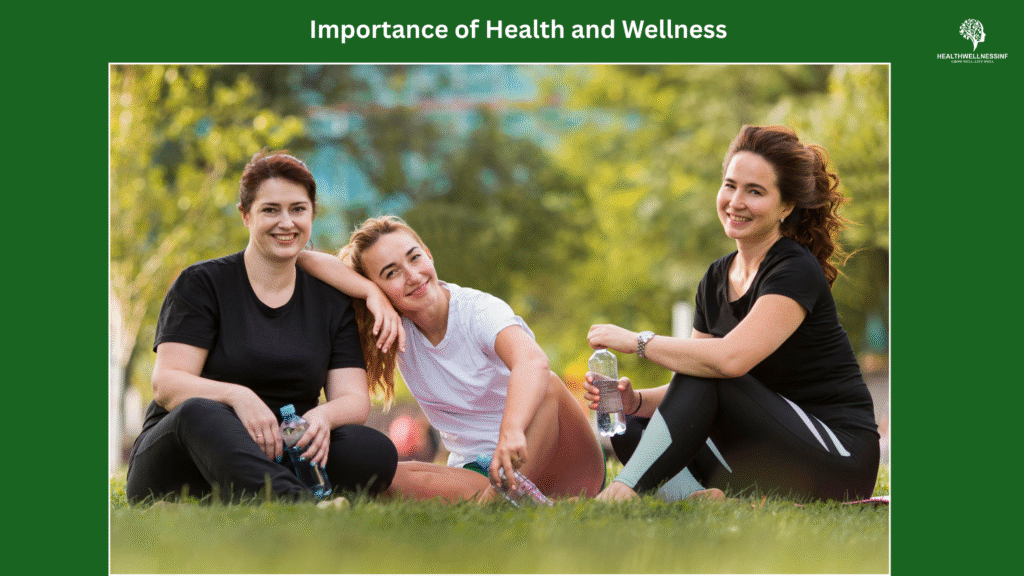
A healthy life in 2026 will no longer be about the fads or short-term solutions. The most suitable Wellness Tips for a Healthy Lifestyle are those that are feasible, long lasting and scientifically based. It is concerned with the development of habits that safeguard physical and mental health in the long term. The prevalence of chronic diseases like heart disease and type 2 diabetes has been on the increase throughout the world. The World Health Organization claims that the majority of noncommunicable diseases are closely associated with the lifestyle behaviors that can be prevented (WHO, 2023).
In a 2025-2026 research, it has been demonstrated that even minor changes in the daily sleep, nutrition, and physical activity can significantly increase long-term health outcomes. Routine changes, which are consistent and manageable, are better than extreme routines. The guide contains evidence-based and practical strategies that are aimed at enabling you to gain more energy, enhance immunity, and improve the quality of life overall, one step at a time.
Importance of a Healthy Lifestyle
There is a need to understand that a healthy lifestyle is important before implementing any wellness strategy. Having a healthy routine that should be based on right nutrition, exercise and healthy sleep habits, and eliminating stress will be a great backbone to long-term health. The Centers of Disease Control and Prevention note that numerous chronic diseases can be prevented in case of regular lifestyle changes (CDC, 2022).
A healthy lifestyle helps to:
- Avert such chronic illnesses like diabetes and heart disease.
- Assist in raising energy levels.
- Enhance cognitive ability and mood.
- Build the immune system.
- Increase lifespan
- Improve effectiveness and concentration.

10 Best Wellness Tips for a Healthy Lifestyle
To create a healthier tomorrow, you must become a habitual, purposeful, and responsible person who takes care of their body and mind on a daily basis. Wellness Tips for a Healthy Lifestyle are based on real-world, science-based measures that enhance energy, resilience, and longevity. These strong habits, when performed on a regular basis, bring long-term effects in terms of well-being and life quality.
Prioritize Balanced Nutrition
The basis of long-term health is a nutrient-dense diet. Pay attention to such whole foods as vegetables, fruits, whole grains, lean proteins, and healthy fats. Limit ultra-processed foods, added sugar, and sodium. A study by the Harvard T.H. Chan School of Public Health indicates that eating habits can decrease cardiovascular diseases and metabolic diseases. Minimal and regular changes in high fiber food help in keeping up energy, digestion, and immunity.
Cooking at home and purchasing seasonal produce will give one more control over the ingredients and the amount of servings. Listening to hunger and fullness helps get into mindful eating. In the long run, a healthy diet enhances the health of the gut, regulates blood sugar and maintains everyday energy.
Stay Physically Active
Exercise helps to maintain cardiovascular fitness, muscle fitness and cognitive fitness. Moderate exercise at a minimum of 150 minutes per week is prescribed by the Centers for Disease Control and Prevention (CDC, 2022). Exercises such as brisk walking, cycling or strength training enhance circulation and insulin sensitivity. By being active, stress levels are also lowered and mood is improved through natural release of endorphins.
A combination of aerobic and resistance training has the overall advantages of supporting the heart and muscles. Light exercises like stretching or housework are also part of dailies. Lower sitting duration can also be reduced to add protection to the metabolic and joint health.
Get Quality Sleep
Sleep plays an imperative role in hormonal balance, cognition and immune defense. The American Academy of Sleep Medicine recommends adults to achieve 7-9 hours per night. Sleep deprivation is associated with the risk of obesity and heart disease. Since a regular sleeping routine and screen time before going to sleep increases the quality of rest.
Establishing a pre-sleep ritual can help the body to know that it is time to sleep. There are optimal ways to enhance the depth of sleep by turning down the room temperature and turning off the light sources. Restorative sleep also aids memory formation, emotional control and bodily recuperation.
Manage Stress Effectively
Continuous stress leads to inflammation and causes adverse effects on the health of the heart. Mindfulness meditation, deep breathing, journaling, and time in nature can be used as significant techniques that can decrease the level of stress. According to the American Psychological Association, the body and the emotions have depleted physical and emotional strength due to prolonged stress (APA, 2022). Dealing with stress enhances clarity, concentration, and emotional stability.
The adoption of relaxation methods day-to-day increases the ability to cope in difficult circumstances. Having work-life balance and setting realistic expectations minimizes chances of burnout. With time, effective stress management improves the psychological and physical health outcomes.
Stay Properly Hydrated
Digestion, circulation, temperature, and absorption of nutrients all require water. Mild dehydration may have an impact on the concentration and energy levels. Health professionals advise to drink enough fluids per day, depending on the level of activity and weather. Substitution of sugary drinks with water helps in supporting metabolic health and lowering of unwarranted calories.
Hydration is also important in the kidney activities and in the process of detoxification. It is better to drink water continuously during the day than to drink the water in bulk. Proper hydration is beneficial to skin condition and cognitive ability.
Maintain Preventive Healthcare
Regular health checks and checkups can be used to identify problems at an early stage. Serious complications are prevented by monitoring the level of blood pressure, cholesterol, and sugar in the blood. Vaccination and specialized medical advice based on the personal risk factors are also considered preventive care. Early diagnosis is a great way of improving treatment and long term healthy stability.
Annual checkups will be the chance to discuss lifestyle modification with healthcare professionals. Different screening levels are applied depending on the age and medical history and therefore personalized recommendations are vital. Preventive care reinforces disease prevention strategies in the long term.
Limit Harmful Habits
The risk of diseases reduces significantly by avoiding tobacco, alcohol misuse, and spending too much time in front of the computer. According to the World Health Organization, tobacco consumption is among the major causes of preventable deaths in the world (WHO, 2023). The gradual changes of the detrimental practices produce objective improvement of the cardiovascular, respiratory systems and liver health in the long run.
Substituting bad habits with healthier ones makes the success of the long term higher. Individuals can be helped in behavior change through support groups and counseling services. Minor changes in adverse practices are likely to have major health benefits.
Support Mental Well-Being
Physical health is as important as mental health. Positive self-talk and gratitude practice as well as professional assistance when required makes a person stronger emotionally. Healthy boundaries and social supporting systems lead to a decrease in anxiety and an increase in general life satisfaction. Good psychological health will improve decision making and everyday output.
Hobbies and important activities encourage psychological satisfaction. Mental health check-ins allow detecting the symptoms of stress, or burnout at an early stage. Being stable emotionally helps one achieve better life balance and healthier relationships.
Build Strong Social Connections
Good relationships make people live longer and achieve emotional stability. Research has continually found that social support reduces stress and enhances the overall health outcomes. Family, friends and community living time together bring about a sense of belonging and psychological wellness. One wellness method that has the ability to make people feel good is positive social interaction that is mostly ignored.
Close relationships are a source of emotional support in times of need. Constant interaction builds trust and support. The positive social environment increases resilience and well-being.
Stay Consistent with Healthy Habits
It is the consistency and not the intensity that will lead to success in the long term. Lifestyle changes are better than extreme changes, and these changes need to be small and sustainable. The accountability is enhanced through tracking the progress and establishing achievable targets. Habits, when persistently followed, only increase over time, which greatly increases physical health, clarity of mind and general quality of life.
It is by forming habitual routines that healthy behaviors become automatic. It is important to celebrate even minor achievements as a way to strengthen motivation. Well being in the long term is created by consistent hard work and not a temporary passion.

What Are Some Wellness Tips You Can Start Today?
You do not have to make drastic changes in an attempt to improve your health. Wellness Tips for a Healthy Lifestyle usually concentrate on small and sustainable changes instead of radical changes. A recent study published in 2025 in The Lancet Public Health has shown that seemingly less significant changes in lifestyle (such as small steps in increasing mobility and sleep) have been linked to quantifiable reduction of disease risk on a long-term scale (Smith et al., 2025). Rigid or short-term routines are less effective as compared to sustainable micro-habits.
The following are some of the activities that you can begin today:
- Take an additional glass of water: Human hydration is favourable to circulation, metabolism, and cognition. The National Institutes of Health emphasizes that hydration is necessary in cellular and organ functioning (NIH, 2024).
- Take a 15-minute walk: Minor daily exercise even in the form of short walks enhances cardiovascular performance and insulin sensitivity. According to the new literature published in 2025, short movement breaks lower markers of inflammation.
- Consume a dish of vegetables: Plant intake leads to better gut microbiome diversity which is closely related to immune health.
- Go to bed 30 minutes earlier: In a 2025 sleep study in Sleep Medicine Reviews, the incremental sleep extension was confirmed to have metabolic regulation.
- List three things you are thankful about: Psychological literature remains to indicate that gratitude interventions reduce stress hormones and enhance emotional resilience.
- One decision can start living a healthy life. These practices, done on a daily basis, create a strong base of long-term health.
Key Takeaways
- Lifestyle changes should be small and sustainable rather than being drastic.
- Healthy nutrition helps in maintaining heart health, metabolism and immunity.
- Exercise reduces the chances of having chronic diseases.
- Sleep enhances hormonal balance and cognitive function.
- Dealing with stress enhances emotional stability and well-being.
- Preventative health allows early detection of the conditions and enhances the outcome.
- The most significant attribute to long-term wellness is consistency.
Conclusion
To live a healthier life in 2026, one will need to be purposeful, consistent, and make evidence-based choices. Wellness tips for a healthy lifestyle are best achieved when they emphasize on sustainable living instead of radical changes in the short term. Balanced nutrition, physical exercise, sleep, stress management, and preventative medical care combine to decrease the risk of chronic diseases and enhance the overall health. Good health is developed by engaging in daily activities which accumulate over time. Even minor changes perpetrated with time will result in significant and quantifiable outcomes.
Disclaimer
The article was written as informational and educational content and cannot be used as medical advice. Do not make radical changes to your diet, exercise program or medical care plan without consulting a licensed healthcare professional. The needs of the individuals differ, and professional advice is the only way to be sure that lifestyle changes are secure and suitable to your situation.
Frequently Asked Questions
What are the best ways to live a healthy life?
Healthy living entails having a balanced meal, engaging in physical exercises, getting sufficient sleep, handling stress, and having regular medical checkups. According to the experts on public health, the habits people maintain on a daily basis significantly contribute to the prevention of heart diseases, diabetes, and other chronic illnesses. Regularity of these areas of fundamental aspects fosters physical and mental health.
What are 10 tips for a healthy lifestyle?
Among the major recommendations are consuming whole foods, engaging in physical activity weekly, drinking ample water, focusing on sleep, eliminating stress, and avoiding tobacco, consuming alcohol in moderation, establishing healthy relationships, establishing habitual health checks, and setting attainable health targets. These habits in combination encourage vitality, strength, and illness prevention.
What is the importance of having a healthy lifestyle?
Regular healthy habits would decrease the risk of chronic diseases and enhance cognitive ability, immune efficiency, and mood stability. It has been found that lifestyle factors have a great impact on longevity and life quality. Informed health choices made today have the potential to reduce medical risks that would be encountered in the future.
What simple wellness habits can I start right now?
Simple items like going on a few short walks, eating more vegetables, making sure you are more hydrated, going to bed earlier, being grateful are some of the steps you can start with. Minimal daily gains are easier to maintain and they may result in significant health outcomes in the long run.
References
- American Academy of Sleep Medicine. (2022). Recommended amount of sleep for adults: A joint consensus statement. Journal of Clinical Sleep Medicine.
- American Psychological Association. (2022). Stress effects on the body. https://www.apa.org
- Centers for Disease Control and Prevention. (2022). Physical activity guidelines for Americans. https://www.cdc.gov
- Harvard T.H. Chan School of Public Health. (2023). The healthy eating plate. https://www.hsph.harvard.edu
- National Institutes of Health. (2024). Hydration and health. https://www.nih.gov
- Smith, J., Anderson, L., & Patel, R. (2025). Small lifestyle improvements and long-term disease risk reduction. The Lancet Public Health, 10(2), e145–e152.
- World Health Organization. (2023). Noncommunicable diseases fact sheet. https://www.who.int