
Actually, to the majority of us, the majority of our time is spent in work, looking after our family, and in meeting our different commitments, yet our health is in the background compared to all these.
What one needs to realize here is that health and wellness are more than just making sure that one consumes healthy food and spends a few hours at the gym every week. It is all about getting your physical condition in order, being mentally sound and not letting your emotional state take charge of your life. As soon as you are able to put all these things into place, there is nothing that will be hard.
The guide will give you a thorough introduction to both the health and wellness concept, their importance in life, and how you can integrate them into your life with minimum effort being needed.

What Does “Health and Wellness” Actually Mean?
“Health” and “wellness” are often perceived as synonymous terms. However, although they both relate to the state of the organism, there is a slight yet significant difference between them.
While “health” denotes the absence of diseases or illnesses in the body, “wellness” includes numerous aspects such as daily choices that influence the overall quality of your life. Thus, while a person can be considered healthy according to their weight or other health parameters, their wellbeing may still leave much to be desired if they experience exhaustion, anxiety, and low mood constantly.
At the same time, the concept of wellness encompasses five dimensions:
- Physical wellness – the ability to lead an active life and engage in sports activities;
- Psychological wellness – the ability to think clearly and process information efficiently;
- Emotional wellness – the ability to control one’s emotions and feelings adequately;
- Social wellness – maintaining good relationships with other people;
- Spiritual wellness – living a meaningful life.
All these spheres cannot operate in isolation from each other; neglecting one sphere may cause problems in another one.
Why the Importance of Health and Wellness Cannot Be Ignored
The reality check is that many illnesses such as diabetes, heart disease, and high blood pressure could be avoided by making healthy lifestyle choices. As per World Health Organization (WHO), up to 80% of early heart diseases and strokes could be prevented by exercising regularly, maintaining proper nutrition, and avoiding cigarettes. This fact is something worth considering. Every little thing that we do on a regular basis determines how our lives will play out in the coming years.
Apart from preventing illness, focusing on health and well-being also has practical advantages:
You will have more stamina to keep going without hitting rock bottom mid-way through the day.
- Better sleep at night and wake up feeling refreshed.
- Better control over stress.
- You will feel more self-confident and comfortable in your own skin.
- Your relationships will improve since you will be mentally sound.
- Greater efficiency at your workplace and other places as well.
To conclude, putting effort into staying healthy is not an act of selfishness; instead, it should be considered as one of the most intelligent moves ever.
The Connection Between Physical Health and Mental Health
One of the most valuable insights that recent research has provided is an understanding of the close interconnection between the two. Your body and mind are not independent; rather, they affect each other continuously.
In people who exercise regularly, endorphins – neurotransmitters responsible for the improvement in mood – are released. Even after only 20 minutes of walking, a person feels much calmer and more relaxed. At the same time, prolonged periods of stress and anxiety result in excessive production of the hormone called cortisol, which leads to increased blood pressure, compromised immunity, and even gut problems.
In a 2025 study carried out by Frontiers in Psychology, mind-body activities, including yoga and mindful movement, proved to be effective means to reduce stress, improve concentration and cardiovascular health. As health specialists have always been arguing, one cannot take care of one’s physical health without addressing his or her mental well-being. So if you have been “pushing through” the period of stress or anxiety, know that it not only affects your mood but your body, too.
Building a Health and Wellness Routine That Actually Works
However, the term “routine” may give one the impression that drastic changes have to be made to one’s way of life almost immediately in order to make it healthy. This could not be farther from the truth.
The best method to follow would be gradual progress and consistency. The following are the steps of an actual health/wellness routine:
1. Move Your Body Every Day — Even Just a Little
You do not have to engage in strenuous activities such as running long distances or lifting heavyweights to ensure that your body is healthy. A simple walk around the block for half an hour, some yoga exercises, or even riding a bike will suffice. What matters most is making sure that the exercises are consistent. If it is hard for you to spare enough time to exercise, you can divide it into segments of 10 minutes.
2. Eat Food That Nourishes You
What follows is certainly not a rigid dietary regime but a process of making improvements in your diet step by step. The idea is to gradually increase the number of healthy foods in your meals such as vegetables, fruits, whole grains, proteins, and healthy fats without focusing on what needs to be eliminated.
Eating healthily boosts your energy and makes you more eager to exercise. On the contrary, being physically active encourages healthier food choices. These two things complement one another naturally.
3. Prioritize Sleep Like It Is Your Job
Sleep is not a privilege but a basic physiological requirement. For optimal health, adults should get seven to nine hours of sleep daily in order to help their body repair itself, solidify new information and memory, maintain hormonal balance, and strengthen their immunity. Insufficient sleep can result in obesity, diabetes, depression, and heart disease. In addition, poor sleep makes it difficult to cope with stress.
Healthy sleep practices include maintaining a regular sleep schedule, avoiding screens in the last half hour before bed, sleeping in a cool, dark room, and limiting caffeine intake after 2pm.
4. Manage Stress Before It Manages You
Stress can be considered one of the main dangers to the physical and psychological well-being of people. Therefore, it should not be disregarded or endured. Prolonged exposure to stress adversely affects practically any organ system.
Strategies for managing stress include:
- Practicing deep breathing exercises – even 5 minutes is enough
- Writing down thoughts and emotions
- Spend time in nature
- Communicating with a trusted person
- Establishing limits for work and using technological devices
It is not necessary to apply all of the above methods – choose one or two and use them regularly.
5. Stay Connected With Others
Humans are designed for social interaction. Having good, nurturing relationships is one of the biggest factors in determining someone’s future health and well-being. Researchers have found that being lonely has similar negative impacts on your health as smoking 15 cigarettes per day. Schedule regular check-ins with the people you care about. Just having brief but significant chats can help reduce your stress levels.
The Role of Preventive Health in Everyday Wellness
The value of health and wellness also involves the concept of prevention. The general public typically tends to be preoccupied with matters of health only when there are issues present. However, addressing health problems after they occur will always be more expensive both financially and emotionally compared to preventive measures.
Some preventive behaviors for good health are:
- Having periodic health exams
- Being immunized against illnesses
- Maintaining ideal body weight
- Avoiding smoking and drinking excessively
- Being aware of the health background of the family
Natural Ways to Support Your Daily Wellness
In addition to the essentials such as exercise, proper nutrition, and sufficient sleep, here are some straightforward yet natural tips that many people have found very effective:
- Begin your day by drinking warm water with lemon. It aids digestion and starts your day hydrated.
- Consume herbal teas. For example, chamomile helps relax your body and promotes better sleep at night. Peppermint tea assists digestion and cognitive functions.
- Go outside into nature. Fifteen minutes of sunlight in the morning contributes greatly to regulating your body clock.
- Express gratitude. Spend two minutes per day writing down the things you feel grateful for. Studies prove that expressing gratitude regularly helps boost emotional health.
- Avoid using screens before going to bed. Using devices emitting blue light disrupts the production of melatonin, which makes falling asleep difficult.
Emotional and Mental Wellness — The Part Most People Overlook
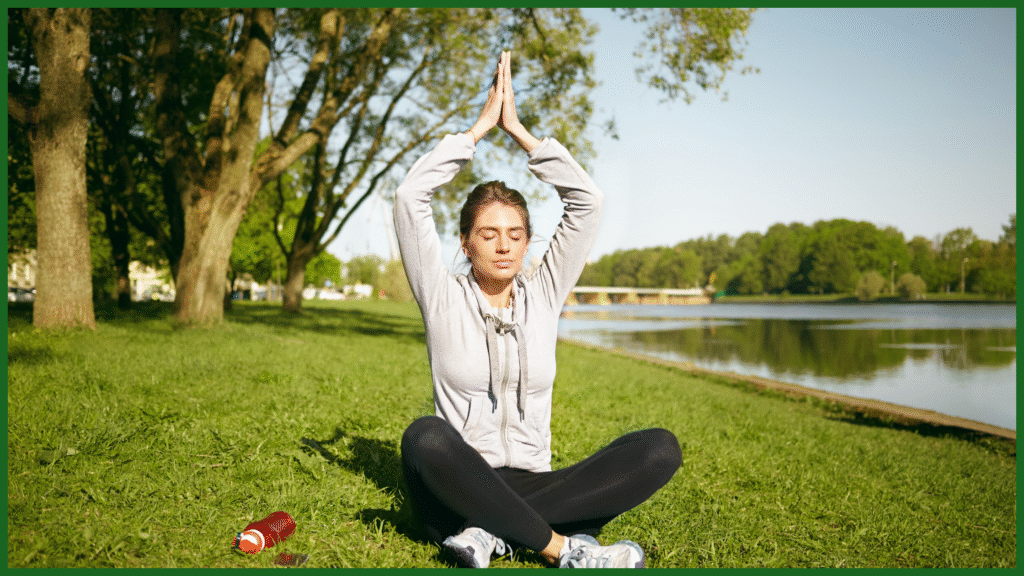
While physical health is much emphasized, mental and emotional well-being cannot be overlooked since they are just as essential yet underappreciated. In many cases, people suffer from unprocessed emotions for long periods of time before they become aware of it and address the matter, leading to such symptoms as tiredness, migraines, digestive problems, and an increased susceptibility to illnesses.
Emotional self-care involves:
- Being comfortable with your own feelings
- Expressing yourself rather than suppressing your experiences
- Creating boundaries in both interpersonal relations and workplace environments
- Using therapy when necessary – there should never be any embarrassment surrounding that
- Surrounding yourself with caring individuals who truly value you
Mental self-care consists of keeping your mind active by reading books, trying out something new, staying curious, and keeping your intellect stimulated.
Conclusion
Health and wellness should not only be viewed in the perspective of medical practitioners and health experts but rather a concept that applies to each and every individual, on a daily basis. You don’t have to be flawless. You don’t have to completely change everything overnight. All you have to do is take that step forward – by creating that one positive behavior, making that one healthier decision, and gaining that one moment of self-awareness – and then proceed with that. Health shouldn’t only be seen as the lack of disease but should also involve vitality, mental clarity, emotional stability, and overall wellbeing.
Frequently Asked Questions
Which is the greatest consideration in health and wellness?
No one factor is the most important. There is equal importance in physical activity, nutrition, sleep, stress management, and social connection. When one of them is disregarded with time, the others are impacted upon.
What is the time frame to achieve the results of healthier habits?
Others will come after a short period of time, like a better sleep after a few days of exercising, or an improved mood after a week of exercise. The long term outcomes such as decreased risk of diseases and weight stability require months of practice, but are definitely possible.
Do I need to visit the gym to be healthy?
Absolutely. Home exercises, yoga, swimming, biking, any exercise that you enjoy is counted as regular walking. It is all about consistency and not the place.
What is the difference between health and wellness?
Health is usually the physical condition of your body. Wellness is a wider, proactive process of decision making that upholds your overall quality of life in terms of physical, mental, emotional, social and spiritual aspects.
Stress and its impact on physical health?
Long-term stress elevates the level of cortisol that may, in the long run, result in elevated blood pressure, lowered immune system, sleep disturbances, digestive problems, and an increased risk of heart disease and depression.
References
- World Health Organization (WHO). Cardiovascular Disease Prevention. https://www.who.int/health-topics/cardiovascular-diseases
- Frontiers in Psychology (2025). Mind-Body Practices and Wellness Outcomes. https://www.frontiersin.org/journals/psychology/articles/10.3389/fpsyg.2025.1559535/full
- Centers for Disease Control and Prevention (CDC). Physical Activity Basics. https://www.cdc.gov/physicalactivity
- National Institutes of Health (NIH). Sleep Deprivation and Deficiency. https://www.nhlbi.nih.gov/health/sleep-deprivation
- MDPI Nutrients (2025). Diet and Physical Activity Relationship. https://www.mdpi.com/2072-6643/17/9/1486
Medical Disclaimer: This is an informational article and is not medical advice. Changes in your diet, exercise program, or health plan should always be discussed with a competent medical professional.

Haseena Baig, MSc, is a health and nutrition writer at HealthWellnessInf. She holds a Master of Science (MSc) in Biological Sciences (Nutrition) and specializes in nutrition, healthy living, fitness, weight management, and mental wellness.
With a strong academic background in nutrition and health sciences, she is passionate about translating complex health information into practical, evidence-based guidance that readers can easily understand and apply in their daily lives.
At HealthWellnessInf, Haseena researches, writes, and reviews articles covering nutrition, wellness, fitness, sleep health, and natural lifestyle strategies. She is committed to providing reliable information that supports healthier habits and overall well-being.


Pingback: What Nutrition Is: The Importance of Good Nutrition