
- A Changing Landscape in Hair Loss Awareness
- Why Hair Loss Treatments Are Gaining Momentum
- From One-Size-Fits-All to Personalized Care
- Popular Hair Loss Treatments for Men in 2026
- The Role of Technology in Modern Hair Restoration
- Emotional and Psychological Impact on Men
- Authentic Results vs. Unrealistic Expectations
- Medical Expertise and Digital Information
- The Evolution of Hair Loss Education
- Psychological Effects of Constant Comparison
- Why Hair Loss Treatments Will Continue to Evolve
- Looking Ahead: Beyond 2026
- Conclusion
- Disclaimer
- FAQs: Hair Loss Treatments for Men
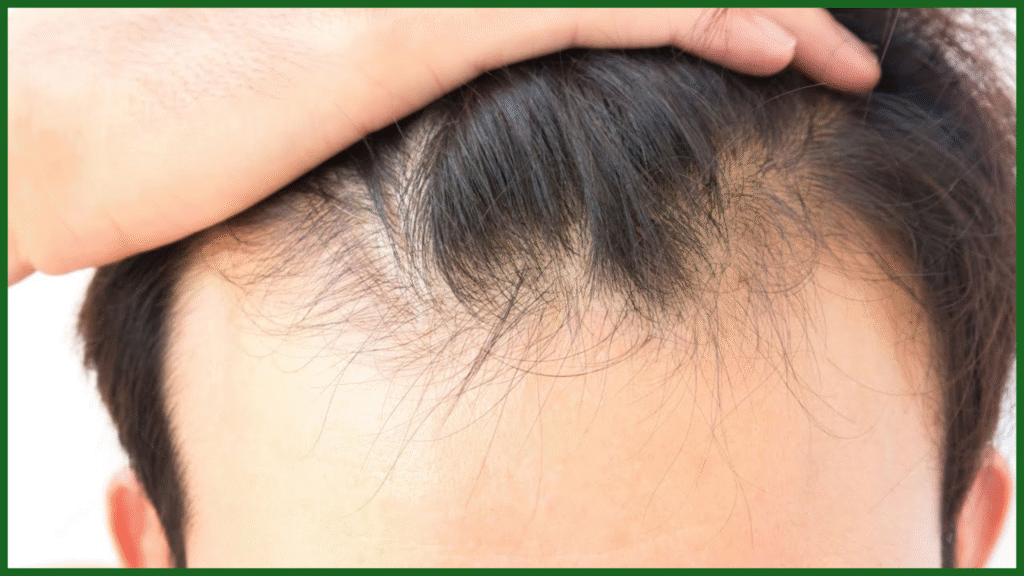
Men have always viewed loss of hair as a natural aging process. The discussion regarding the subject of thinning hair and baldness had been emphasized decades with either acceptance or cover. Nonetheless, the changes in hair loss treatments for Men in 2026 is going to significantly transform due to technology, the shift in social attitudes, and the availability of information. A formerly personal issue has become a topic of discussion and an extensively covered, actively implemented side of men’s health and care. This is not merely a change in terms of new products or processes, it is a change in how men are redefining the concept of hair loss, confidence and their own looks.
A Changing Landscape in Hair Loss Awareness
Conventionally, male hair loss solutions were identified only in a few ways such as visiting the doctor or getting recommendations in the pharmacy, or even through friends and relatives. Alternatives were seen as limited, the process was sluggish and performance was usually unpredictable. Consequently, a lot of men postponed treatment or did not go to hospitals at all.
Discovery has been transformed in the past few years. Awareness has been transformed with the use of online platforms, learning materials, and real-life outcomes. Men are actively not yet treated, but, passively, through articles, videos, testimonials, and discussions exposed to solutions of hair loss. This is an exposure at a young age, which lowers the level of stigma and promotes informed decision making.
Why Hair Loss Treatments Are Gaining Momentum
There are a number of reasons as to why the hair loss business among men is flourishing in 2026. To start with, the idea of men grooming and taking care of themselves is no longer taken as a kind of vanity but is considered to be a whole well being. The health of hair is now being openly talked about alongside fitness, skincare and mental health. Second, medical technology has enhanced effective and affordable treatment. The enhanced quality of formulations, the knowledge of hair growth cycles, and the development of the understanding, as well as more realistic expectations, are what have raised the level of trust. Men do not want to be over-promised but they stick to a consistent result and see it as realistic. Lastly, there is visual evidence that contributes significantly. Hair loss treatment outcomes can now be easily comprehended and assessed with before-and-after comparisons and progress tracking and transparent case studies.
From One-Size-Fits-All to Personalized Care
The shift towards generic solutions is one of the greatest changes made in the hair loss treatments for Men . Loss of hair is not considered as one disease that has a universal solution. Treatments are however becoming more and more customized depending on the genetics, the age, the condition of the scalp, the lifestyle and the level or stage of progression. Men no longer strive towards the general, un-specific solutions, instead they are more interested in pursuing particular solutions to particular problems, like losing hair, having drawn back crowns or diffuse loss of hair. This individualized style is more effective and can be used to establish achievable expectations.

Popular Hair Loss Treatments for Men in 2026
Today, the list of hair loss treatments for men is very broad and men can select the ways on their own, depending on the comfort and severity and objectives. These are medically proven treatments, topical/ oral solutions, non-invasive and high-technology, and advanced surgeries. The focus is not on quick solutions anymore, but on hair and scalp health in the long term. Men are even more knowledgeable regarding maintenance. They are not interested in the possibility of permanent outcomes of a single treatment but they know that consistency and follow-up care are important elements of effective treatment.
The Role of Technology in Modern Hair Restoration
The process of the diagnosis and treatment of hair loss is being redefined by technology. Online scalp checks, long-distance visits, and evidence-based treatment planning have become more widespread. These instruments can be used to identify at an earlier stage, monitor progress, and make changes as time goes by. Accessibility is also enhanced by technology. Previously, men who were reluctant to use in-person consultations have more entry points and less barriers to professional consultations and evidence-based care.

Emotional and Psychological Impact on Men
It is not just simply losing hair, but it has its emotional consequences. Hair loss may have an impact on self-esteem, self-confidence and social ease. This psychological aspect has been recognized in the new generation of hair loss treatments. The exposure of actual improvement, even the slower one, can rebuild confidence and minimise anxiety. Meanwhile, responsible education is more patient and realistic regarding expectations, which enables men to evade the needless stress or frustration.
Authentic Results vs. Unrealistic Expectations
As one becomes more visible, so does responsibility. Not everything people post online is what they should expect to see, and exaggerated performance can lead to unrealistic expectations. The discussion of the hair loss treatment in 2026 is shifting towards authenticity. Men are becoming aware of what true progress is and what is highly edited or false. Openness (professional and content creators) is a very vital factor in fostering trust and making informed decisions.
Medical Expertise and Digital Information
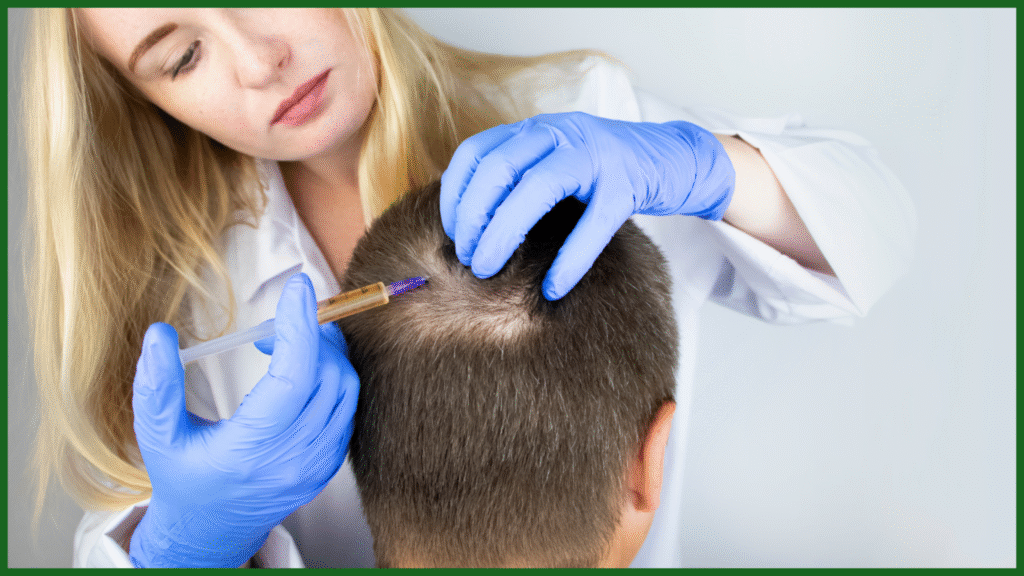
Education has become more ubiquitous and instant with online platforms and digital resources serving as a great solution to the problem of access to information on hair loss to men. Nevertheless, professional medical advice is still essential, although more people are now aware of that. The digital material is best used in addition, as opposed to replacement of clinical assessment because men are in need of a proper diagnosis and evidence-based treatment based on their own hair loss patterns and health issues.
A moderate solution that merges professional skills in medicine with the availability of digital learning results in better and safer results. Knowing what is behind the hair loss, whether it is genetics, hormonal fluctuation, or lifestyle, helps the men to stay out of the useless trends or to self-diagnose. This combined system will encourage an informed decision, reduce risks, and help to achieve long-term and sustainable treatment success.
The Evolution of Hair Loss Education
Hair loss education has also improved significantly, and now men have more knowledge on factors that contribute to losing hair like genetic problems, hormonal disturbances, stress, nutritional values, and general health. More access to credible information has substituted myths and misconceptions and now men can make an informed choice on how best to deal with loss of hair and how to handle it confidently. Prevention has also become an important area of concern, and most men are seeking treatment earlier to slow down the disease, as opposed to seeking treatment once they have lost it. This is a proactive measure of the move towards active, not passive, acceptance of the health of scalps in the long-term, consistency, and realistic expectations rather than short-term or reactive ones.
Psychological Effects of Constant Comparison
Whereas motivation may be inspiring, transformation stories may also exert pressure in case of constant exposure. A healthier story is being formed, where individual advancement is more important than comparison. Men are getting to know that hair restoration is an individual process, which depends on biological and lifestyle peculiarities. This view advocates better expectations and long-term motivation.

Why Hair Loss Treatments Will Continue to Evolve
Men do not have a passing trend when it comes to hair loss treatments. The development of male self-care is guaranteed by an aging population, greater acceptance of male self-care, and the ongoing scientific innovation. The trend of demand is in the way of effective, minimum invasive, and sustainable treatments. The smarter and more accurate the understanding is, the smarter and more precise a solution can be and the more it is integrated into the overall wellness.
Looking Ahead: Beyond 2026
Hair loss treatment in the future is personalised, preventive and holistic. Instead of only paying attention to regrowth, future strategies will be centred on scalp health and lifestyle alignment and maintenance in the long term. Hair loss will also be redefined, not as a negative thing, but as a controllable condition of informed decisions and attainable goals.
Conclusion
Through education, technology and cultural transformation, hair loss treatments for Men will be defined in 2026 as a treatment to men. What nobody used to speak out or even listen to, is now discussed openly and with confidence and clarity. Contemporary remedies enable men to be able to gain control of their hair health, without being too ambitious. This change is indicative of a bigger change: men are no longer passive about their own hair loss: they have been informed, take charge and have more options than ever.
Disclaimer
The article should be used as informational and educational resources and is not medical advice, diagnosis, or treatment. The treatment response and hair loss conditions differ in individuals depending on their genetics, health status, and lifestyle aspects. The recommendation is to be cautious towards initiation, switching, or quitting any form of treatment of hair loss to avoid harming oneself by using a treatment that may or may not be suitable. The data presented must not replace a medical consultation. Never forget to use professional assessment to make informed decisions in personal care and safe treatment.
FAQs: Hair Loss Treatments for Men
Do hair loss treatments work with every man?
The effectiveness is dependent on the genetics, age, scalp condition, and consistency. Treatments are effective when administered early and used regularly under the supervision of a professional.
What is the time in which results of hair loss treatments are realized?
The majority of the men can see a visible improvement after three to six months after which more density and stabilization may need continued treatment at longer durations.
Is a lifestyle change beneficial to hair loss therapy?
Yes, the management of stress, proper nutrition, sleep level, and scalp care can improve the results of treatment and contribute to healthier cycles of hair growth.
Can various treatments of hair loss be used together?
Treatment combinations are safe under the guidance of the professional, and it is guaranteed that any combination will not have any side effects or result in worse long-term outcomes, as the combination is created according to the needs of the patient.