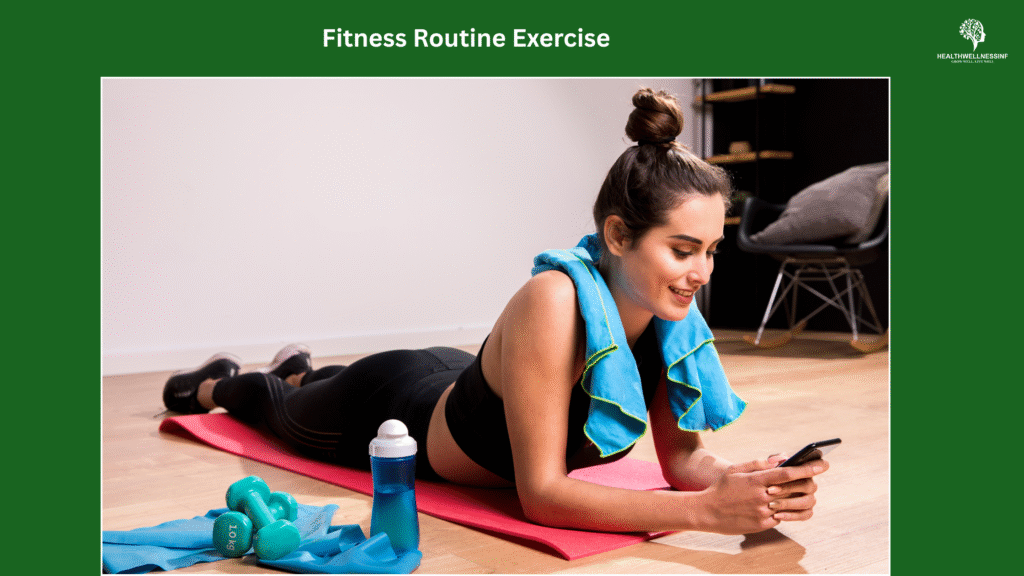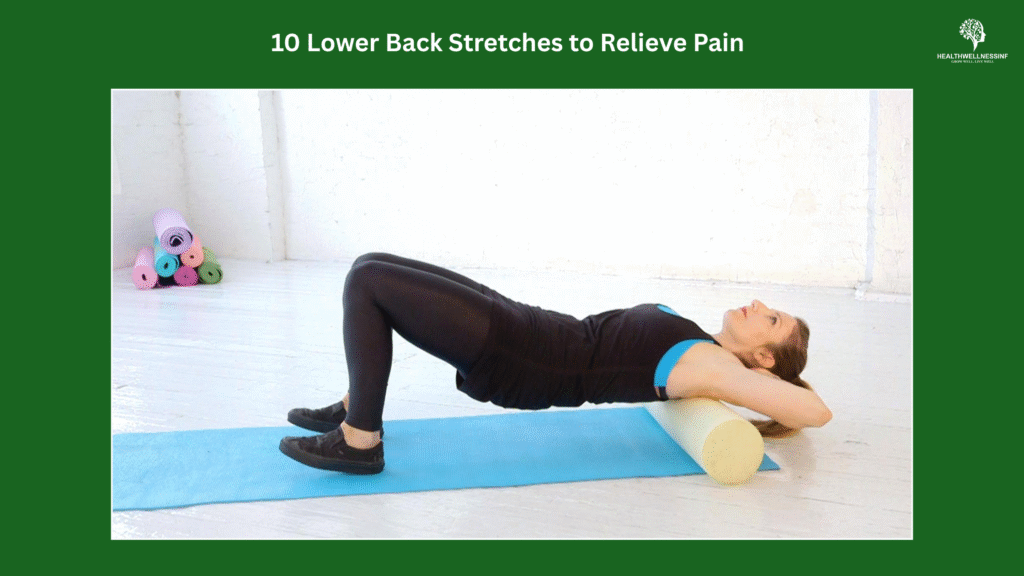
- Understanding How Exercise Supports Weight Loss
- What Is the Best Exercise for Fitness and Weight Loss?
- Best Workouts to Lose Weight Effectively
- Example Weekly Workout Routine to Lose Weight
- Weight Loss Exercises at Home
- Fat Burning Exercises at Home
- Gym Routine for Weight Loss
- Sample Best Gym Workout for Weight Loss
- What Is the Fastest Weight Loss Exercise?
- How Much Exercise Is Needed for Results?
- Common Mistakes That Limit Weight Loss
- Long-Term Strategy for Sustainable Fitness
- Conclusion
- Frequently Asked Questions
- References
Finding the best exercise for fitness and weight loss can feel confusing due to conflicting online advice. The programs are numerous, they claim to make people lose fat in a short period of time, yet they are not scientifically proven. As has been observed, the sole means through which the reduction of weight can be permanent is through systematic physical activities and consistent eating habits. The routine exercise improves cardiovascular health, insulin sensitivity and body compositions (WHO, 2023).
Still, no specific exercise can achieve immediate results. Research has found out that long-term effects of aerobic training and resistance training show higher results (Swift et al., 2024). This guide is a description of science-based methods to assist in safe, attainable and sustainable fitness in order to help the overall health.

Understanding How Exercise Supports Weight Loss
Weight loss is a state in which the energy expended is more than the one taken in creating a caloric deficit. Exercise increases total fat burning per day and also helps in burning more fats. It can also be applied in weight loss maintenance of lean muscle mass. The maintenance of muscles can be used to maintain metabolic stability and improve better body composition in the long run.
The World Health Organization should perform moderate physical activity that is 150-300 minutes per week (WHO, 2023). The increased doses may be required where there is a severe loss of weight. Exercise has been discovered to reduce visceral fat and has a beneficial impact on body composition but nutrition is crucial to achieve sustainable and clinically relevant results (Swift et al., 2024).
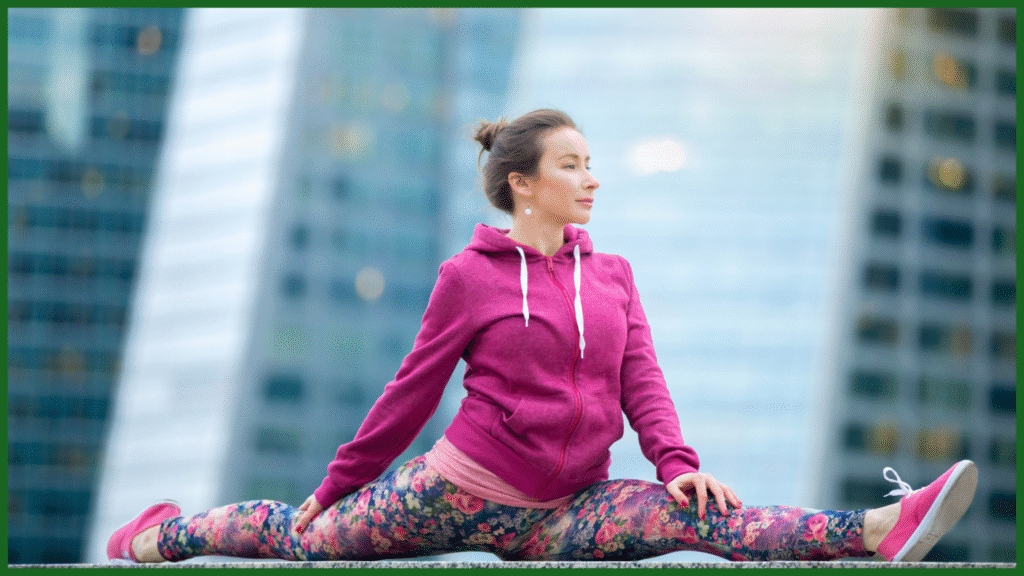
What Is the Best Exercise for Fitness and Weight Loss?
Having the single best movement is impossible. The best exercise for fitness and weight loss combines complementary training methods. The available research always advocates a multi-component approach, which is balanced.
1. Aerobic Training
An aerobic activity raises the heart rate and total calorie burnt. It enhances cardiovascular performance, insulin sensitivity and metabolic well-being. Usually used ones are brisk walking, jogging, cycling, and swimming. The systematic review by (Willis et al., 2023) demonstrated that aerobic training is an important factor in the reduction of total body fat. Moderate intensity is the most suitable level of most adults and higher intensity boosts short term calories. Nevertheless, sustainability in the long term defines stable outcomes.
2. Strength Training
During weight loss, strength training is used to gain and maintain lean muscle mass. The maintenance of muscle assists in the maintenance of resting metabolic rate as well as glucose maintenance. Squats, deadlifts, lunges, push-ups and movements on the resistance band are some of the exercises that can be used in weight loss. Resistance training should be at least thrice a week, according to the American College of Sports medicine (ACSM, 2024). Adaptation is enhanced with progressive overload. Strength training will also help to decrease abdominal fat and help in long-term metabolic fitness.
3. High-Intensity Interval Training (HIIT)
High-Intensity Interval Training involves short bursts of high-intensity, after which periods of preset rest are prescribed. The sessions usually take shorter periods compared to the steady state workouts. The review conducted in 2023 established that visceral fat can be reduced and cardiorespiratory fitness can be increased with the help of HIIT (Maillard et al., 2023). It can be biased towards those who are less time-starved. However, HIIT may not be suitable in case one is a novice or has certain medical issues. In case medical clearance is required then it is advised.
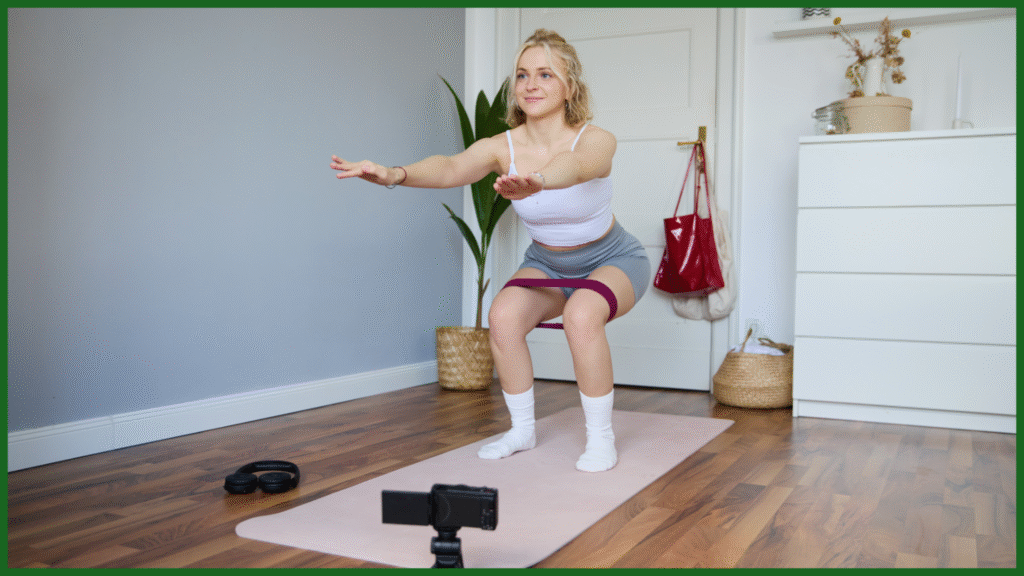
Best Workouts to Lose Weight Effectively
The best workouts to lose weight combine cardiovascular exercises and resistance exercises to achieve a balanced outcome. Cardio burns more calories whereas strength training maintains lean muscle mass in fat burning. Such a mix enhances the efficiency of the metabolism and healthy body composition in the long-term. Routines make it more consistent and adherent in the long term. The cardio sessions are to be alternated with resistance exercises to avoid plateaus and minimize the risk of injury. It has been found that multi-component programs are more effective in fat-loss than single-modality training, especially when combined with proper nutritional plans.
Example Weekly Workout Routine to Lose Weight
A weekly plan is structured to enhance consistency and metabolic adaptations. This is the best exercise program that can be used to lose weight by balancing strength, cardiovascular exercise, and rest. The maintenance of fat reduction is sustainable and injury is avoided because of gradual increase in intensity and amount.
- Whole Body Strength Training: Compound exercise should be utilized such as squats, push up and rows. Notice the medium resistance and repetitions that are controlled.
- Moderate Cardio (30-45 Minutes): This will include jogging, biking, or running on the treadmill. Maintain the same rate of walking and raise the level of the heart rate safely.
- Lower Body Resistance Training: Case using large muscle groups lunges, leg presses and deadlifts. Proper form and progressive overload.
- HIIT Session (20 Minutes): Alternate short period exercises of high intensity with rest periods. Keep track of the length of sessions.
- Upper Body Strength Training: This is where one learns how to apply weight or resistance bands to train the chest, back, shoulders and arms. Maintain balanced volume.
- Active Recovery/ Walking: Choose low intensity exercise such as stretching or brisk walking. It helps in circulation and repair of the muscles.
- Rest: Have a full rest so that the muscles could recover and that the hormones come to an even. Rest enhances the outcome of long-term performance and loss of fat.
Weight Loss Exercises at Home
Convenience and flexibility are the reason why many people choose weight loss exercises at home. Home based programs save on traveling time and money. They can be used to enhance the calorie expenditure and cardiovascular fitness in an efficient way and without using complicated equipment when organized correctly.
Regular home exercises will help to lose fat and maintain muscles in case of progressive overload principles. Bodyweight strength training with moderate cardio exercise enhances a better outcome. It has been proposed that compliance is enhanced by the availability of exercise programs that are flexible and fit their schedule.
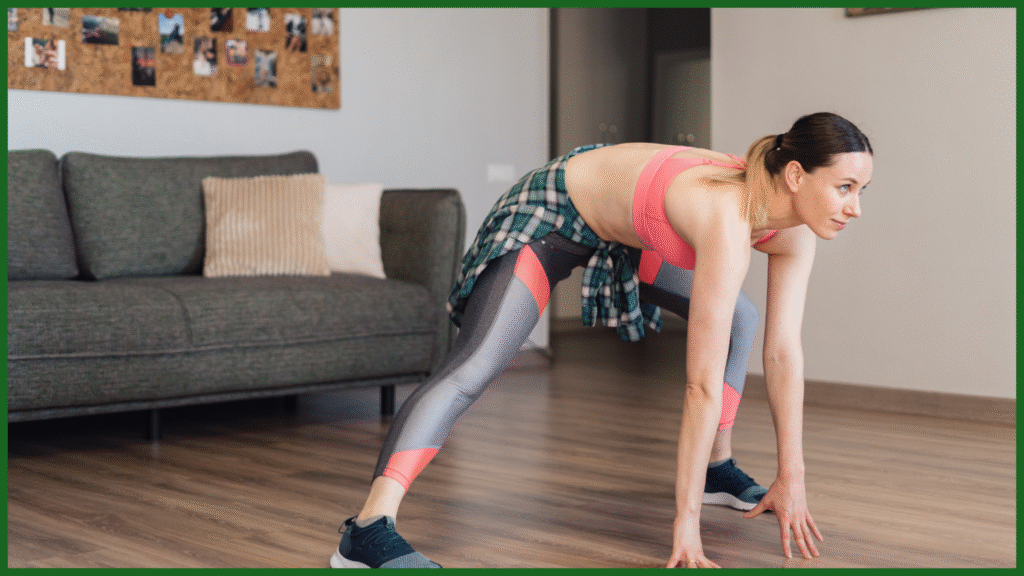
Fat Burning Exercises at Home
Although at home one may require special equipment, it is possible to effectively burn more calories through fat burning exercises at home. These movements involve the integration of the cardiovascular work and the muscular action. They should be carried out regularly and contribute to maintaining metabolic well-being and healthy weight (Sperlich et al., 2024).
- Jump Rope: This is the best exercise that rapidly speeds up the heart rate and enhances coordination and yet consumes a lot of calories within a short period of time.
- Mountain Climbers: This exercise engages the core body muscles as well as lower body muscles and intensifies the cardiovascular process.
- High Knees: Increases endurance and oxygen uptake by a series of rapid movement using the lower body.
- Burpees: Strength and cardio exercise to optimize the use of total body energy.
- Bodyweight Squats: Builds up on the major leg muscles and promotes the calorie burning through increased repetitions.
Gym Routine for Weight Loss
Weight loss gym program permits a systematic advancement by the way of machines and free weights. The availability of diverse equipment helps to achieve specific muscle involvement and even muscular growth. The variation in resistance enhances the strength developments and augments the total calories burned during the training.
Compound training activities coupled with moderate cardiovascular training maximize the effect of fat burning. Caloric deficits induce muscle sparing through progressive overload. Studies indicate that structured resistance programs offer better body composition improvement in combination with regular aerobic exercise and nutritional organization.
Sample Best Gym Workout for Weight Loss
Formal workout enhances the use of calories and the development of muscle power at the same time. It is a progressive overload format that allows cardiovascular conditioning to be retained.
- Warm-Up: 5-10 Minutes Treadmill Walking – Start with moderate intensity walking to get the blood flowing and your muscles ready to put in some resistance training.
- Strength Training: 30 Minutes Compound Lifts – Do compound lifts like squats, bench presses and rows as they use several muscle groups in the process.
- Cardio Finisher: 15 Minutes Moderate Cycling – The intensity should be the same throughout to gain extra stamina and burn more calories after the strength-training session.
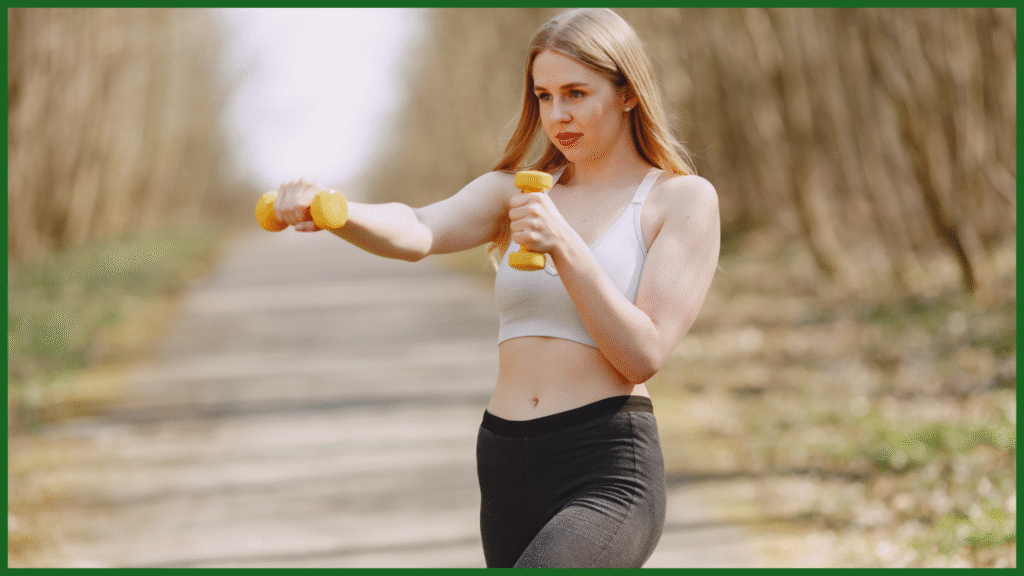
What Is the Fastest Weight Loss Exercise?
The majority of the population is seeking to discover the fastest weight loss exercise to achieve some body changes. The intensive training and intensive running can be used to consume a large number of calories per minute. Still, weight loss is generally temporary and it may not mean a permanent fat loss. Health professionals recommend that the body should lose a normal amount of fat (0.5-1 kilogram/week) (CDC, 2024). Intense work without the use of rest subjects the body to physical damage and hormonal strain. There are more sustainable and less hazardous solutions to balanced programming and long term consistency.
How Much Exercise Is Needed for Results?
The general health-related recommendations suggest a minimum of 150 minutes of moderate-intensity exercise per week (WHO, 2023). To effectively lose weight, it is proposed in research that one should exercise more to about 250 to 300 minutes per week depending on the aims and energy balance. The strength training must be conducted at least once or twice a week to maintain lean muscle mass. The days of rest are necessary to repair muscles and adapt physiologically. Enough protein consumption, enough sleep, and enough water help in recovery and sustainable development.
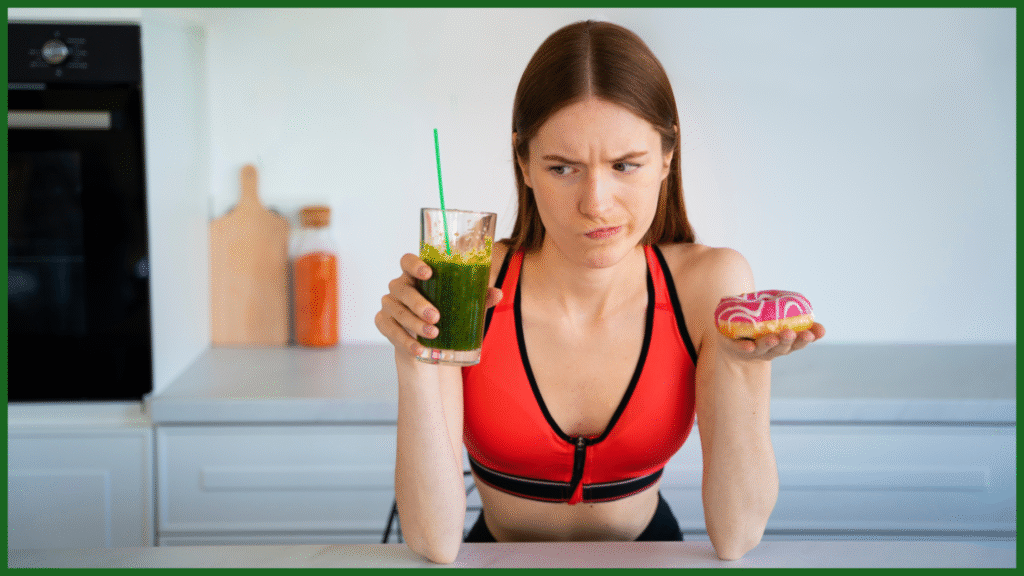
Common Mistakes That Limit Weight Loss
Most people keep themselves at par by doing cardio exercises only and failing to undergo strength training. Extreme calorie intake may decrease metabolism and augment muscle atrophy. Rest days are also not healthy as they hamper recovery and increase the risk of injury when using structured exercise programs. The need to change fast would result in frustration and inconsistency. There is evidence of the gradual and orderly development that does not focus on speed, but rather focuses on sustainability. The consistency of behavior during a longer period, together with a balanced exercise and diet, has been the best indicator of weight management success and sustainability.
Long-Term Strategy for Sustainable Fitness
The best exercise for fitness and weight loss is one that can be maintained consistently over time. Pleasant schedules boost compliance and decrease turnover. Sustainability is more important than intensity in the quest of long term health. Measured by gains in strength, increases in endurance, and energy levels as opposed to scale weight. Integrate physical activity with healthy food and positive lifestyle behaviors to get stable and sustainable outcomes.
Conclusion
The best exercise for fitness and weight loss is not a single movement but a balanced combination of aerobic training, strength exercises, and consistent effort. Extreme and short-term trends are not supported by scientific evidence compared to structured and sustainable programs. Good habits preserve lean body mass, enhance metabolic fitness and heart rate.
Losing weight is a process that needs patience, a slow process, and setting realistic expectations. Placing health in the long-term ahead of quick results promotes safer results. Stability, adequate recovery and nutrition eventually provide quantifiable and sustainable fitness values.
Frequently Asked Questions
What is the best exercise for fitness and weight loss?
The most effective exercise one can do is a combination of aerobic training and strength exercise to burn more calories, maintain lean body muscles and even help maintain weight loss and overall metabolic fitness.
What are the best workouts to lose weight effectively?
The most effective exercises involve a combination of cardio and resistance training activities, which enhance the body composition, raise calorie burning rate, and achieve weight loss in the long term.
Are weight loss exercises at home effective?
Yes, one can lose weight by doing exercises at home and be able to decrease body fat provided that the exercises are regularly taken and that the exercises consist of body weight strength activities and moderate cardiovascular exercises.
How often should I exercise for fitness and weight loss results?
Consider 250-300 minutes of moderate physical activity per week, two sessions of strength training with the purpose to lose fat, retain muscle, and have long-term fitness changes.
Medical Disclaimer
This article is not aimed at any commercial purposes, just educational and informational ones. It is not a substitute for a doctor. Never embark on any new exercise or weight loss program without consulting a qualified healthcare provider and in particular in case you have pre-existing medical conditions and injuries or special health issues.
References
- American College of Sports Medicine. (2024). ACSM’s guidelines for exercise testing and prescription (11th ed.).
https://www.acsm.org - Centers for Disease Control and Prevention. (2024). Healthy weight, nutrition, and physical activity.
https://www.cdc.gov/healthyweight - Maillard, F., Pereira, B., & Boisseau, N. (2023). High-intensity interval training and fat mass reduction: A systematic review. Sports Medicine.
https://link.springer.com/article/10.1007/s40279-023-01794-3 - Sperlich, B., et al. (2024). Adherence to home-based exercise programs: A systematic review. Journal of Sports Sciences.
https://www.tandfonline.com/doi/full/10.1080/02640414.2024 - Swift, D. L., et al. (2024). The role of exercise in weight management. Progress in Cardiovascular Diseases.
https://www.sciencedirect.com/science/article/pii/S0033062024000123 - World Health Organization. (2023). Physical activity fact sheet.
https://www.who.int/news-room/fact-sheets/detail/physical-activity