Healthy and functional hip flexors are vital for your day-to-day movements. Walking, running, climbing, bending, and balancing all require healthy hip flexors. But due to various factors, such as prolonged sitting, lack of exercise, or bad movement practice, the hip flexors can be tight and/or weakened.
Hip flexor exercises are useful to make hip flexor muscles stronger and more flexible, which will increase the quality of their movements and decrease the amount of muscle tension. Regardless of whether you spend a lot of time sitting at a desk, engage in sports regularly, or just need to be more mobile, this research paper offers an evidence-based guide on how to exercise the hip flexors in a proper way.
- What Are Hip Flexor Muscles?
- Why Are Hip Flexor Exercises Important?
- Common Signs of Tight or Weak Hip Flexors
- Best Hip Flexor Exercises for Strength and Flexibility
- Beginner Hip Flexor Exercise Routine
- How Often Should You Do Hip Flexor Exercises?
- Common Mistakes When Doing Hip Flexor Exercises
- Hip Flexor Exercises for Different Lifestyles
- Conclusion
- Frequently Asked Questions
- Medical Disclaimer
- References
What Are Hip Flexor Muscles?
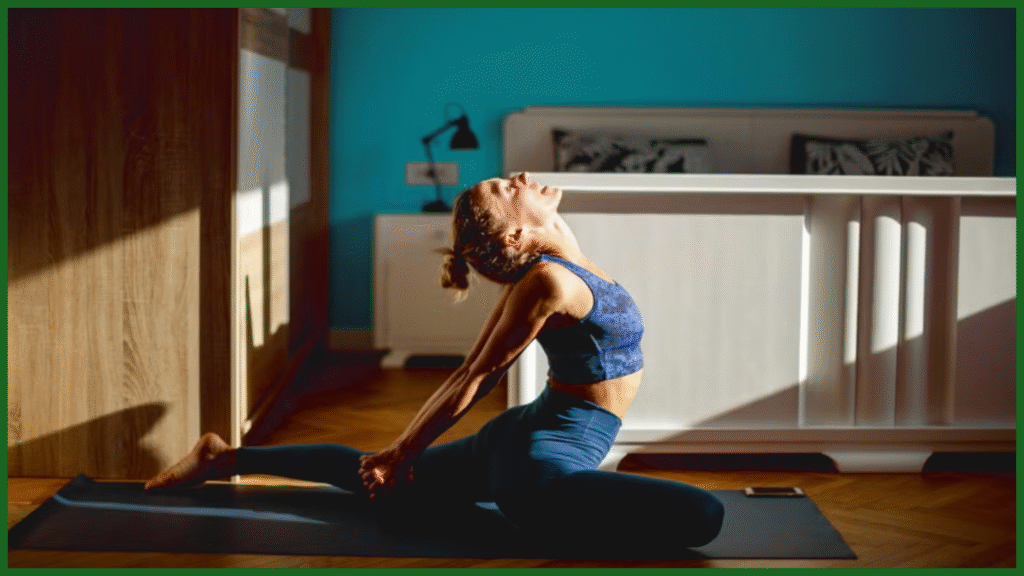
Hip flexors are a collection of muscles found in the front side of the hip joint that is responsible for lifting the leg. The major hip flexors include iliopsoas, rectus femoris, and sartorius muscles. These muscles give the ability to perform hip flexion, pelvic stabilization and move comfortably.
The hip flexors are responsible for walking, running, climbing stairs, squatting, and getting into or from a chair. However, due to long periods of sitting and lack of exercise, the hip flexors become either tight or weak. Weakness of the muscles can affect movement, and tight muscles decrease flexibility. Thus, knowing what hip flexors do, one can better understand why it is necessary to perform hip flexor exercises.
Why Are Hip Flexor Exercises Important?
Exercises for hip flexors have a critical importance in making movement and posture better, as well as in enhancing the strength of lower body parts. Hip flexor exercises include stretching and strengthening methods that work on deep hip muscles, which make it possible to perform hip mobility exercises effectively.
Improve Hip Flexibility and Range of Motion
The hip flexor exercise helps enhance flexibility because of its ability to relieve tension in the front hip muscles. Such exercises help in increasing range of motion, which makes moving around, walking, and bending more easy. These are very effective when it comes to exercises for tight hip flexors because of their effectiveness in increasing motion.
Strengthen Hip Flexor Muscles
Hip flexor exercise routines that emphasize strength will result in hip muscles that are strong and stable. If you train your hip flexors, you will be in a better position to run, climb stairs, and lift objects. Hip flexibility exercises contribute to muscle balance, leading to increased lower body strength.
Support Better Posture
The hip flexor exercises will contribute to proper posture since they will improve the alignment of the pelvis and will release tension in the muscles. Weak or tight hips usually cause poor posture and spine alignment. With these exercises for lower back and hips, one can achieve proper alignment and posture.
Reduce Hip and Lower Back Stiffness
Regular hip flexor stretches will go a long way in reducing stiffness in your hip joint and lower back as they improve blood flow and mobility. Muscles that are tight cause discomfort but with continuous motion, you can reduce the tension.
Common Signs of Tight or Weak Hip Flexors
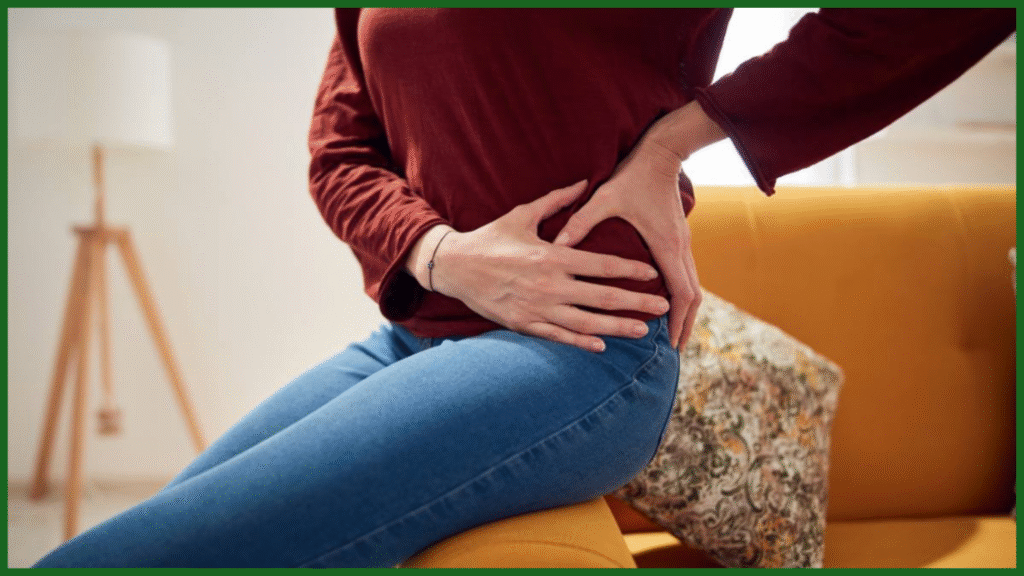
Indications that hip flexor exercises may be needed normally tend to appear slowly. Poor or tight hip flexors can impact your movements and even affect your posture. Although some stiffness may be normal, if you have continued stiffness, you should consider getting hip flexor exercise routines.
Common signs include:
- Tension in the hip flexor muscles, particularly after long hours of sitting.
- Limited range of motion in the hip joints when moving, such as walking, squatting, or going up stairs.
- Trouble getting up from a sitting position owing to stiffness in the hip muscles.
- Back stiffness or pain owing to muscular imbalance in the hips and pelvis area.
- Poor posture in a sitting or standing position due to stiffness in the hip muscles.
- Weakness when moving your legs, which makes even simple tasks difficult.
- Inefficient workouts or workouts, specifically while running, cycling, or doing lower body workouts.
If you have multiple symptoms of this kind, incorporating some hip flexor exercises into your weekly schedule can definitely contribute to increased mobility and enhanced muscle strength. But in case of pain that persists or is rather acute, consulting with a specialist becomes necessary in order to detect its source.
Best Hip Flexor Exercises for Strength and Flexibility
The best hip flexor exercises should include stretching that will make them more flexible and strength training exercises that will ensure their stability. Doing them on a regular basis helps to decrease stiffness in the body and maintain good posture. Always remember to warm up before starting your exercises.
1. Kneeling Hip Flexor Stretch
Benefits: Increases hip flexibility and helps you relieve stiffness.
Steps to Perform the Exercise:
- Kneel on one knee with the other foot extended forward.
- Stand up straight and squeeze your abs.
- Shift your hips slightly forward.
- Hold the position for 20-30 seconds and repeat on the other side.
Common Mistakes: Lower back arching, leaning forward, or forcing the stretch.
Beginner Tip: Use a towel under your kneeling knee to make it more comfortable.
2. Standing Hip Flexor Stretch
Benefits: This is an easy and effective exercise to increase flexibility and decrease stiffness due to prolonged sitting.
How to Do It?
- Put one foot back.
- Bend one leg slightly at the knee.
- Straighten the chest and tuck in the hips.
- Hold for 20-30 seconds on each side.
Common Mistakes: Tilting forward, lack of balance, or holding breath.
Beginner Tip: Place yourself near something for support.
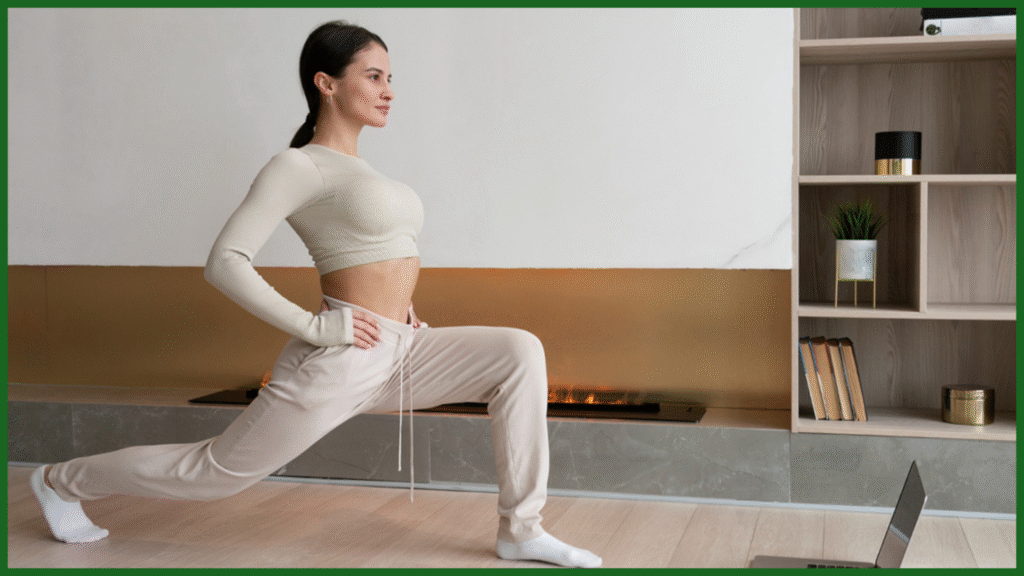
3. Low Lunge Stretch
Benefits: Hips opening, improved flexibility, increased range of motion.
How to Do It:
- Start in a low lunge position.
- Maintain your front knee in line with your ankle.
- Move your hips forward but maintain your chest straight.
- Maintain this pose for 20–30 seconds before switching sides.
Common Mistakes:Front knee moving in front of your toes or arching your back.
Beginner Tip: Support yourself by placing your hands on your front thigh.
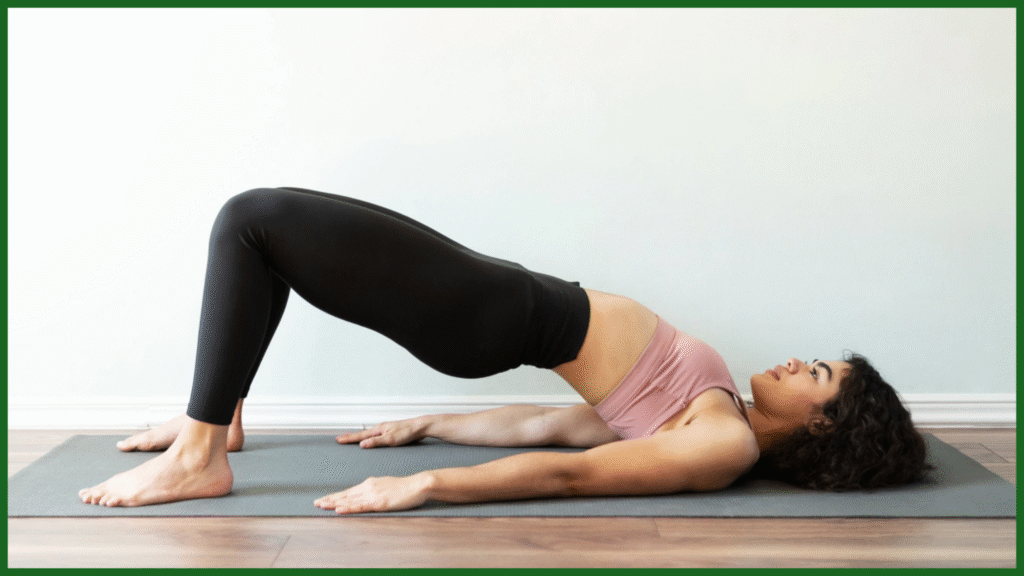
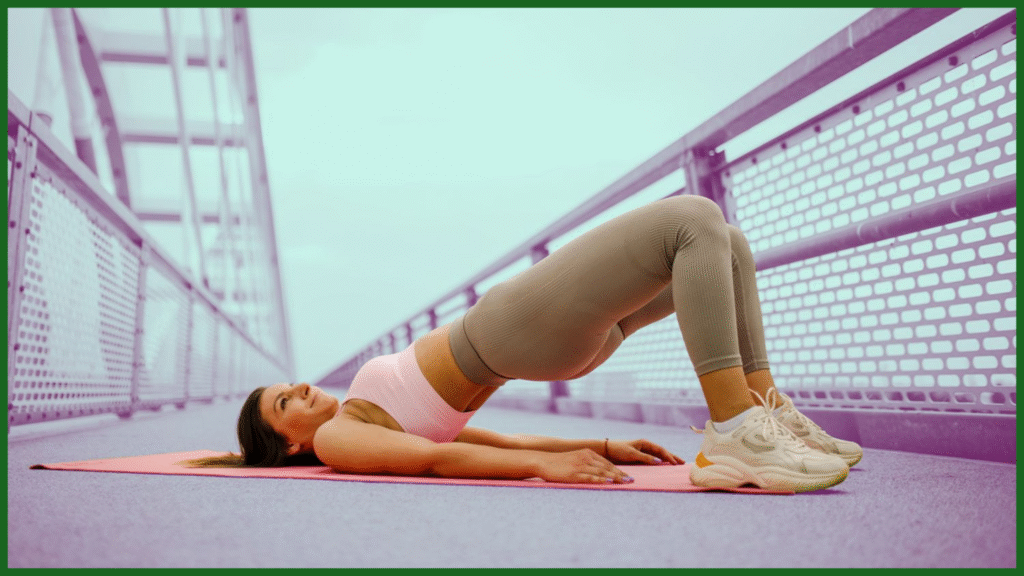
4. Glute Bridge
Benefits: This exercise works your glutes, improves hip stability, and decreases the pressure on the hip flexors.
How to Do It:
- Start lying on your back with your legs bent.
- Lift up your hips to form a straight line with your body.
- Lower down slowly.
- Do 10–15 repetitions.
Common Mistakes: Overarch your lower back or move too quickly.
Beginner Tip: Try squeezing your glutes at the top.
5. Straight Leg Raises
Benefits: Helps build hip flexor strength.
How to Do It:
- Lie on your back with one leg bent.
- Lift the other leg slowly.
- Return slowly to the starting position.
- Do this 10–15 times per leg.
Common Mistakes: Using momentum or arching the lower back.
Beginner Tips: Maintain core engagement throughout the movement.
6. Mountain Climbers
Benefits: Increase flexibility in the hip joint along with leg strength.
How to Do It:
- Start in a high plank position.
- Pull one knee in towards your chest.
- Switch sides slowly.
- Repeat for 20-30 seconds.
Common Mistakes: Sagging hips or rushing through the exercise.
Beginner Tip: Go slow until you get used to it.
7. Dead Bug Exercise
Benefits: Enhances core strength and hip control.
How to Do It:
- Lie down on your back with your legs bent.
- Straighten one arm and the opposite leg.
- Reverse and perform the exercise with the other arm and leg.
- Perform 10–12 reps per side.
Common Mistakes: Lifting the lower back or rushing the exercise.
Beginner Tip: Decrease the distance if you find it difficult.
8. Bulgarian Split Squat
Benefits: This move increases lower body strength, balance, and hip stability.
How to Do It:
- Step one leg back into a bench.
- Bend down until the front thigh is close to being parallel to the floor.
- Return to the initial position.
- Do 8-12 reps for each leg.
Common Mistakes: Leaning forward and letting the front knee cave in.
Beginner Tip: Learn to do regular split squats first before doing this one.
By performing the above hip flexor exercises regularly, you will be able to enhance your flexibility, build up strength in the muscles, and develop better body mechanics.
Beginner Hip Flexor Exercise Routine
In case you have never done any hip flexor exercises before, you can use this easy-to-do sequence that will help you strengthen the muscles in this area.
- Start with warming up for 3-5 minutes. This should prepare your muscles for physical activity. Do 10 hip circles clockwise and then counterclockwise. Do 10-15 leg swings for each leg. Walk in place or do fast walking for 2-3 minutes.
- Complete the strengthening exercises. It will help you strengthen the hips and gain more control over the muscles there. You should do Glute Bridges – 2 sets of 10-15 repetitions; Straight Leg Raises – 2 sets of 10-12 repetitions per leg; and Dead Bug Exercise – 2 sets of 8-10 repetitions per side. Take breaks of 30-60 seconds between sets.
- Finish with stretching exercises. Do Kneeling Hip Flexor Stretch for 20-30 seconds on each side. Repeat 2-3 times. And then do Low Lunge Stretch for 20-30 seconds on each side.
- Practice this routine 2–3 times per week on alternate days. As your flexibility and strength improve, try adding more repetitions or even one more set.
How Often Should You Do Hip Flexor Exercises?
Most people can benefit from hip flexor exercises 2–3 times per week. The stretching exercises can be repeated often, but the exercises meant for strengthening purposes require sufficient time for recovery in order to enable muscle development.
The best schedule is determined by your level of fitness and objectives. The stretching exercises can be repeated daily or immediately after exercises in order to retain the flexibility and loosen the muscles. For strengthening exercises, the exercises should be done 2–3 times per week with a minimum of one day rest between exercises.
Consistency is more important than the exercise frequency. Through sticking to the exercise routine with good techniques, one can develop their hips and movement through gradual improvement. As you develop flexibility and fitness, you can increase the number of repetitions and sets.
Common Mistakes When Doing Hip Flexor Exercises
Correct form when performing hip flexor exercises is equally essential as selecting the appropriate exercise to do. This article highlights some of the pitfalls one should avoid in order to benefit from hip flexor workouts and prevent injuries.
Stretching Too Aggressively
When stretching too much, you will end up increasing the pain, which may lead to muscle stress. It is best if you stretch up to the point of experiencing slight pain. Gradually, you will be able to increase your flexibility.
Ignoring Strength Training
It is impossible for stretching alone to develop the necessary muscle strength to ensure proper functioning of the hip. Stretching in combination with exercises for building strength like the glute bridges and straight leg raises ensures better stability and functionality.
Using Poor Form
Poor posture or quick movements will lessen the impact that each exercise will make and may also cause your hips or lower back to suffer unnecessary strain. Always remember to keep your core muscles tight and move with control.
Skipping Warm-Up
Not warming up before beginning an exercise routine will have your muscles rigid and ill-prepared for action. Warm up for 3 to 5 minutes by taking a walk, circling your hips, or swinging your legs before stretching or working out.
Hip Flexor Exercises for Different Lifestyles
It is also possible that there will be different best hip flexor exercises for different people based on their daily activities. Those that spend a lot of time sitting are likely to suffer from tight hips as a result of inactivity, whereas athletes require strong and flexible hips to have proper mechanics of their stride and less tight muscles. The elderly will enjoy stretching and strengthening their muscles, which will contribute to their better mobility, balance, and overall comfort in movement.
Therefore, you need to choose exercises that will correspond to your physical abilities and activities. If you spend most of your time sitting, you can choose hip circles and standing exercises as well as take breaks from sitting regularly. Athletes should include dynamic warm-up exercises before their runs along with some relaxing stretches after. For the elderly, it will be appropriate to do glute bridges, straight leg raises, and kneel hip flexor stretches.
Conclusion
Hip flexor exercises done on a regular basis help in making one more flexible, increase strength, improve posture and even make movement much easier for you. The best way of getting the most out of the exercises is to combine stretching and muscle strengthening exercises and perform them properly. One should start with easy exercises, increase the difficulty level step-by-step and respect their limits to avoid injuries. If one is suffering from hip pain or any other hip problems, it is necessary to consult a specialist before starting any exercise program.
Frequently Asked Questions
What are the best hip flexor exercises for beginners?
Novices can begin with basic exercises like hip flexor stretches in the kneel position, glute bridges, straight leg raises, and dead bugs. They will aid in increasing flexibility and strength as well as ensuring good hip health in the process.
Can hip flexor exercises help with tight hips?
Certainly. Hip flexor exercises that involve both stretching and strengthening will be helpful in relaxing the muscles and increasing flexibility. It’s always more effective to stretch regularly rather than occasionally.
How often should I do hip flexor exercises?
Most individuals can do hip flexor exercises 2-3 times weekly. Mild stretching can be done on a daily basis while strengthening exercises require days off for muscle recovery.
Should I stretch my hip flexors before or after exercise?
Dynamic stretching is better for exercise because it helps to get the muscles ready to move. Static stretching is better after exercising when the muscles are already warmed up.
Can weak hip flexors affect posture?
Yes. Poor hip flexor strength could be linked to poor posture, weak hips, and inefficient movements. By strengthening your hip flexors, glutes, and core, you may improve your posture and hip strength.
Medical Disclaimer
This post is meant only to provide information and education. The material here is not meant to replace medical advice, diagnosis, or treatment. Always seek the advice of a qualified healthcare provider before beginning any form of exercise regimen, particularly if you suffer from injury or illness. Do not disregard medical advice or delay seeking treatment because of information contained within this article.
References
- American Academy of Orthopaedic Surgeons. (n.d.). Exercise and conditioning program. https://orthoinfo.aaos.org/
- American College of Sports Medicine. (2022). ACSM’s guidelines for exercise testing and prescription (11th ed.). Wolters Kluwer.
- Mayo Clinic. (n.d.). Stretching: Focus on flexibility. https://www.mayoclinic.org/healthy-lifestyle/fitness/in-depth/stretching/art-20047931
- National Institute on Aging. (2024). Exercise and physical activity. https://www.nia.nih.gov/health/exercise-and-physical-activity
- National Institutes of Health. (2023). MedlinePlus: Exercise and physical fitness. https://medlineplus.gov/exerciseandphysicalfitness.html
- World Health Organization. (2020). WHO guidelines on physical activity and sedentary behaviour. https://www.who.int/publications/i/item/9789240015128

Haseena Baig, MSc, is a health and nutrition writer at HealthWellnessInf. She holds a Master of Science (MSc) in Biological Sciences (Nutrition) and specializes in nutrition, healthy living, fitness, weight management, and mental wellness.
With a strong academic background in nutrition and health sciences, she is passionate about translating complex health information into practical, evidence-based guidance that readers can easily understand and apply in their daily lives.
At HealthWellnessInf, Haseena researches, writes, and reviews articles covering nutrition, wellness, fitness, sleep health, and natural lifestyle strategies. She is committed to providing reliable information that supports healthier habits and overall well-being.