You can reduce stress naturally by practising deep breathing, regular exercise, mindfulness, and maintaining a balanced diet. Getting quality sleep, spending time in nature, and connecting with others also help. These science-backed methods lower cortisol levels and restore calm without medication.
Stress is something all of us deal with. Whether it is a tight deadline, a difficult relationship, financial pressure, or simply the fast pace of daily life — stress is unavoidable. But the good news is that learning how to reduce stress naturally is not only possible, it is practical. And the results can be life-changing.
In this guide, you will discover 12 evidence-backed, natural methods that help reduce stress and anxiety without relying on medication. From mindful breathing and movement to nutrition and sleep hygiene, we cover everything you need to build a calmer, more balanced life.
Whether you are dealing with everyday tension or chronic stress, these techniques work. Keep reading to find out which methods suit your lifestyle best.
Struggling with stress and anxiety? Explore our full Mental Health guide for more expert-backed advice — tailored for everyday readers.
What Is Stress and Why Does It Happen?
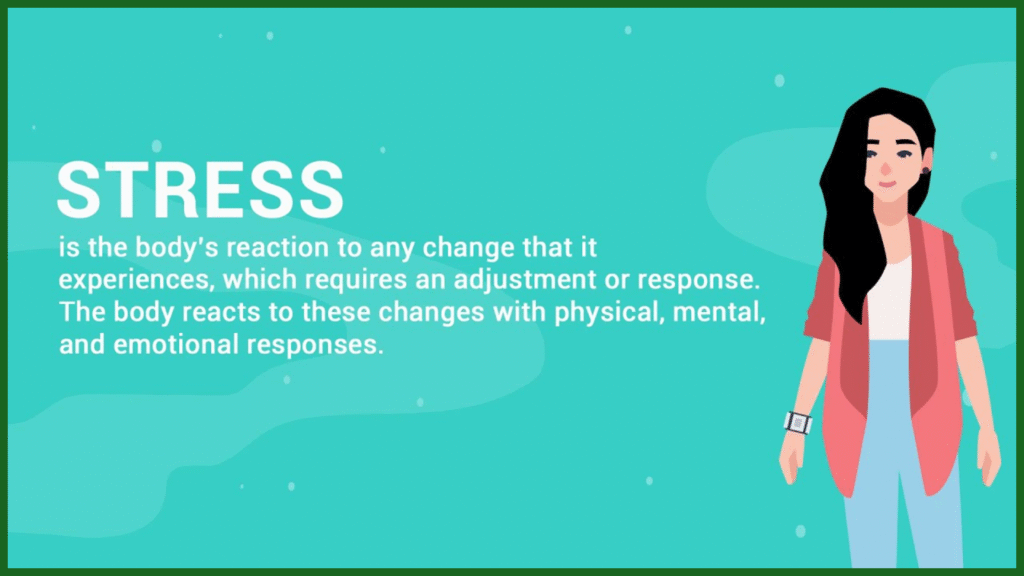
Stress is your body’s natural response to perceived threats or demands. When you feel stressed, your brain triggers the release of hormones like cortisol and adrenaline. These hormones prepare your body to either fight the threat or run from it — a reaction known as the ‘fight-or-flight’ response.
In small doses, stress can be helpful. It keeps you alert and motivated. But when stress becomes chronic — meaning it persists over weeks or months — it can seriously damage your mental and physical health.
Common causes of stress include: work pressure, financial difficulties, relationship problems, health concerns, grief, and major life changes.
According to the American Psychological Association, chronic stress is linked to anxiety, depression, heart disease, digestive issues, and weakened immunity. This is why finding natural ways to manage stress is so important.
How to Reduce Stress Naturally: 12 Proven Methods
Here are 12 of the most effective and well-researched natural strategies to reduce stress. Each method addresses a different aspect of your physical and emotional wellbeing.
1. Practice Deep Breathing Every Day
One of the fastest ways to reduce stress naturally is controlled deep breathing. When you slow your breath, you activate the parasympathetic nervous system — the part of your body responsible for rest and calm. The 4-7-8 breathing technique (inhale for 4 counts, hold for 7, exhale for 8) is particularly effective.
Research from Harvard Medical School shows that diaphragmatic breathing can lower cortisol levels and reduce feelings of anxiety within minutes. Even five minutes of focused breathing per day can make a measurable difference.
2. Exercise Regularly
Physical movement is one of the most powerful natural stress relievers available. Exercise releases endorphins — the brain’s natural mood-boosting chemicals. It also reduces cortisol and improves sleep quality, both of which directly lower stress.
You do not need a gym membership. A 30-minute brisk walk, a short yoga session, or even dancing in your kitchen counts. Aim for at least 150 minutes of moderate exercise per week, as recommended by the World Health Organization.
3. Try Mindfulness and Meditation
Mindfulness means paying full attention to the present moment without judgment. When you practise mindfulness, you train your brain to respond to stress with awareness rather than reaction. This reduces the emotional intensity of stressful situations.
Studies published in JAMA Internal Medicine found that mindfulness meditation significantly reduces anxiety, depression, and stress. Even 10 minutes a day using a free app like Insight Timer can help you build a consistent practice.
4. Improve Your Sleep Hygiene
Poor sleep and stress feed each other in a damaging cycle. When you are stressed, you cannot sleep. When you cannot sleep, your stress gets worse. Breaking this cycle is essential.
To improve sleep naturally: go to bed at the same time each night, avoid screens one hour before bed, keep your bedroom cool and dark, and try a calming herbal tea like chamomile or valerian root. Adults need 7 to 9 hours of quality sleep per night.
5. Spend Time in Nature
Nature has a measurable calming effect on the human brain. A practice called ‘forest bathing’ (shinrin-yoku), which originated in Japan, involves spending quiet, mindful time among trees. Research shows it lowers cortisol, reduces blood pressure, and improves mood.
You do not need a forest. A local park, a garden, or even a walk around the block surrounded by greenery can have similar benefits. Aim for at least 20 minutes outdoors each day.
6. Eat a Stress-Reducing Diet
What you eat directly affects how your brain handles stress. A diet high in processed foods, sugar, and caffeine spikes cortisol and increases anxiety. On the other hand, a balanced diet rich in whole foods supports your nervous system.
Foods that naturally reduce stress include: dark leafy greens (magnesium-rich), oily fish like salmon (omega-3 fatty acids), blueberries (antioxidants), oats (B vitamins), and dark chocolate (flavonoids). Staying well hydrated is equally important.
7. Connect with Others
Social connection is a fundamental human need. When you talk to a trusted friend, share a laugh, or spend quality time with loved ones, your brain releases oxytocin — a hormone that counters stress hormones and promotes feelings of safety and calm.
Research from Brigham Young University found that strong social connections reduce the risk of stress-related illness and early death. Even a short phone call with someone you trust can lower stress levels significantly.
8. Limit Caffeine and Alcohol
Both caffeine and alcohol are commonly used to cope with stress — but both make it worse in the long run. Caffeine raises cortisol levels and increases anxiety. Alcohol disrupts sleep and depletes the brain’s calming neurotransmitters.
Try switching your afternoon coffee for herbal teas like peppermint, lemon balm, or ashwagandha tea. These herbs are known to support the adrenal system and naturally calm the nervous system.
9. Use Herbal Remedies for Stress
Several plant-based remedies have been shown to reduce stress and anxiety naturally. Ashwagandha is an adaptogenic herb that has been extensively studied and found to lower cortisol levels. Lavender — whether as an essential oil, tea, or supplement — reduces anxiety. Passionflower has shown effectiveness comparable to some anti-anxiety medications in small studies.
Always consult a healthcare professional before starting any herbal supplement, especially if you are taking medication or are pregnant.
10. Practice Journaling
Writing down your thoughts and feelings is a powerful and underrated stress management tool. Journaling helps you process difficult emotions, gain perspective on problems, and identify stress triggers you may not have been aware of.
Even 10 minutes of free writing before bed — simply putting your thoughts on paper without editing — can reduce nighttime anxiety and help your mind unwind. Gratitude journaling, where you list three things you are thankful for each day, is particularly effective.
11. Try Progressive Muscle Relaxation
Progressive muscle relaxation (PMR) is a technique where you systematically tense and then release different muscle groups in your body. It helps you identify where you hold physical tension and consciously release it. Studies show PMR can reduce anxiety by up to 40% in regular practitioners.
You can find free guided PMR audio sessions on YouTube or mindfulness apps. Practised before bed, it is an excellent sleep aid as well.
12. Set Healthy Boundaries
One of the most overlooked natural stress management strategies is simply saying no. Overcommitting your time, energy, and emotional bandwidth is a leading driver of chronic stress. Learning to set clear, compassionate boundaries — at work, at home, and in relationships — is a foundational wellness skill.
Start small. Practise declining one unnecessary obligation this week. Communicate calmly and clearly. Over time, strong personal boundaries become one of your greatest protections against stress.
Want personalised guidance on stress and mental wellbeing? Browse our Mental Health category for more science-backed articles written for everyday readers.
Best Natural Stress Relievers at a Glance
Here is a quick overview of the top natural stress relief methods, including how they work and who they are best suited for:
| Method | How It Works | Key Benefit | Time Needed | Best For |
| Deep Breathing | Activates parasympathetic nervous system | Instant calm | 5 minutes | Panic / anxiety |
| Exercise | Releases endorphins, lowers cortisol | Mood boost + sleep | 30 min/day | Chronic stress |
| Mindfulness | Trains awareness of thoughts | Reduces reactivity | 10 min/day | Overthinking |
| Nature Walks | Lowers cortisol, blood pressure | Mental reset | 20 min/day | Burnout |
| Journaling | Processes emotions | Clarity + calm | 10 min/day | Emotional stress |
| Ashwagandha | Adaptogen, reduces cortisol | Long-term stress relief | Daily supplement | Adrenal fatigue |
| Sleep Hygiene | Restores hormonal balance | Resilience + focus | 7–9 hrs/night | All stress types |
Which Natural Stress Relief Method Is Right for You?
Not every stress relief strategy works for every person. Here is a quick ranking of methods based on how quickly they work:
Fastest acting (within minutes):
- Deep breathing exercises
- Cold water on face or wrists
- 5-minute mindfulness pause
Medium-term (days to weeks):
- Regular exercise routine
- Improved sleep schedule
- Reducing caffeine intake
Long-term and lifestyle-based:
- Mindfulness and meditation practice
- Herbal supplements like ashwagandha
- Setting healthy boundaries
- Building strong social connections
How Does Exercise Help Reduce Stress Naturally?
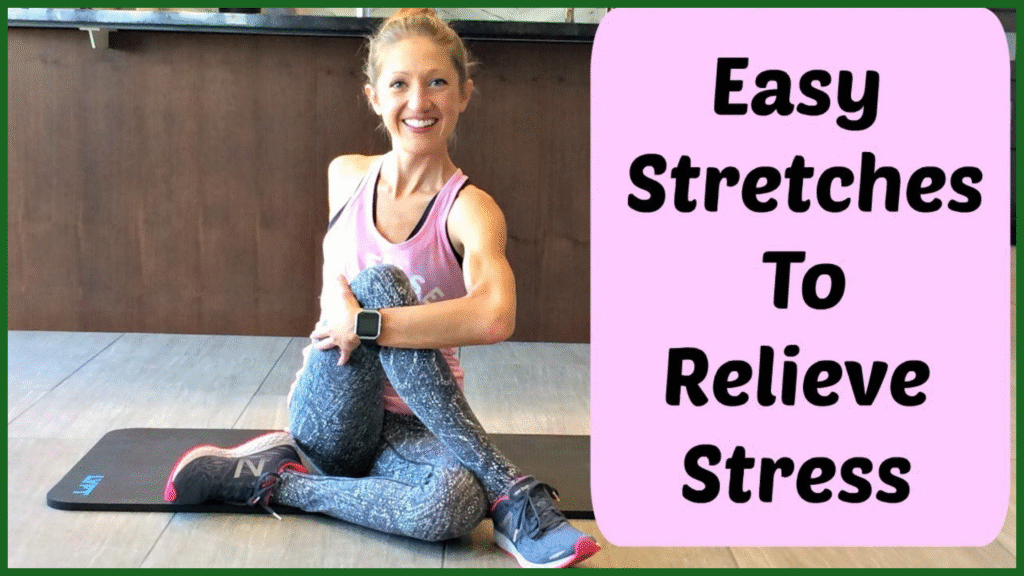
When you exercise, your brain releases a surge of endorphins — natural chemicals that act as painkillers and mood elevators. This is the well-known ‘runner’s high,’ but you do not need to run to experience it. Any sustained physical movement triggers this response.
Exercise also reduces the baseline levels of cortisol and adrenaline in your body over time. According to Mayo Clinic, people who exercise regularly have lower overall stress levels, better sleep, improved self-confidence, and fewer symptoms of anxiety and depression.
Recommended forms of exercise for stress relief include yoga, swimming, cycling, dancing, brisk walking, and team sports. The best exercise is the one you enjoy enough to do consistently.
Can Diet Really Help You Reduce Stress Naturally?
Yes, significantly. Your gut and brain are connected through the gut-brain axis — a communication network that links your digestive system directly to your emotional and mental state. What you eat affects how your brain produces and regulates mood-related neurotransmitters like serotonin and dopamine.
Approximately 90% of the body’s serotonin — the ‘feel good’ chemical — is produced in the gut. A diet rich in fibre, fermented foods, and omega-3 fatty acids supports a healthy gut microbiome, which in turn supports a calmer, more resilient mind.
Foods to reduce in your diet for stress management include: processed sugar, refined carbohydrates, trans fats, and excessive caffeine. Replace these with whole grains, legumes, fresh vegetables, nuts, and fermented foods like yoghurt or kefir.
Natural Stress Relief vs. Medication: A Comparison
Many people wonder whether natural methods are as effective as medication for stress and anxiety. Here is an honest, research-based comparison:
| Factor | Natural Methods | Medication | Verdict |
| Speed of relief | Varies (5 min – weeks) | Hours to days | Medication faster short-term |
| Side effects | Minimal (if any) | Common (fatigue, weight gain) | Natural wins |
| Long-term benefit | High – builds resilience | Varies – dependency risk | Natural wins |
| Cost | Low to free | Moderate to high | Natural wins |
| Suitability | Mild to moderate stress | Moderate to severe disorders | Depends on severity |
Natural methods work best for everyday and moderate stress. For severe anxiety disorders or clinical depression, professional treatment — which may include therapy and medication — is essential. The two approaches can also be used together effectively.
When to Seek Professional Help
Natural stress management is powerful, but it has its limits. If your stress is significantly affecting your daily life, relationships, or physical health, it is important to speak with a healthcare professional.
Seek professional support if you experience any of the following:
- Persistent feelings of hopelessness or worthlessness
- Panic attacks or racing heart with no clear cause
- Difficulty functioning at work or in relationships
- Using alcohol or substances to cope
- Thoughts of self-harm or harming others
A doctor, therapist, or counsellor can provide a proper assessment and recommend the most appropriate care — which may include therapy, medication, or a combination of natural and clinical approaches.
Conclusion
Stress is a part of life, but it does not have to control your life. Learning how to reduce stress naturally is one of the most empowering steps you can take for your long-term health and happiness. From deep breathing and exercise to better sleep, mindful eating, and meaningful connection — every small step adds up. The best approach is to start with one or two methods that feel accessible to you right now. Build consistency before adding more. Over weeks and months, these habits compound into a genuine, lasting shift in how you experience and respond to stress. You deserve to feel calm, grounded, and in control. These tools exist to help you get there.
Ready to go deeper? Read our guide on Mindfulness for Beginners or explore our Better Sleep category to tackle one of the root causes of stress. Your calmer life starts today.
Frequently Asked Questions
What is the fastest way to reduce stress naturally?
The fastest natural stress relief technique is deep breathing. The 4-7-8 method — inhale for 4 counts, hold for 7, exhale for 8 — can activate your body’s calm response within minutes. Splashing cold water on your face also helps by triggering the diving reflex, which slows your heart rate quickly.
Can you reduce stress naturally without exercise?
Yes. While exercise is one of the most effective methods, you can also reduce stress naturally through mindfulness, journaling, herbal remedies, improved sleep, social connection, and deep breathing. These methods are all effective on their own and work even better when combined. Explore more on healthwellnessinf.com for guides on each of these approaches.
How long does it take for natural stress relief methods to work?
Some techniques like deep breathing and mindfulness work within minutes. Others, such as regular exercise, dietary changes, and herbal supplements like ashwagandha, show their full effect after 4 to 8 weeks of consistent use. Patience and consistency are key. At healthwellnessinf.com, we recommend tracking your progress weekly to stay motivated.
Are herbal remedies for stress safe to use every day?
Many herbal remedies — such as chamomile tea, lavender, and lemon balm — are generally safe for daily use. Stronger adaptogens like ashwagandha are also well-tolerated in most adults but should be used under the guidance of a healthcare provider, especially if you are pregnant, breastfeeding, or on medication. Read more on our Home Remedies section at healthwellnessinf.com.
Last updated: April 2026 | Written by the Haseena Baig | Sources: American Psychological Association, Harvard Health Publishing, Mayo Clinic, World Health Organization

Haseena Baig, MSc, is a health and nutrition writer at HealthWellnessInf. She holds a Master of Science (MSc) in Biological Sciences (Nutrition) and specializes in nutrition, healthy living, fitness, weight management, and mental wellness.
With a strong academic background in nutrition and health sciences, she is passionate about translating complex health information into practical, evidence-based guidance that readers can easily understand and apply in their daily lives.
At HealthWellnessInf, Haseena researches, writes, and reviews articles covering nutrition, wellness, fitness, sleep health, and natural lifestyle strategies. She is committed to providing reliable information that supports healthier habits and overall well-being.